



Coral Coast Doctors flower emblemCoral Coast Doctors
Call Book
Skin Cancer Clinic

Skin Cancer Checks & Management
in Cannonvale

Sometimes it is a mole you have been watching for months. Sometimes it is a spot that suddenly looks different. And sometimes there is nothing specific worrying you: you simply want someone experienced to take a proper look at your skin.

At Coral Coast Doctors, we provide skin cancer checks, assessment and appropriate management from our medical centre in Cannonvale. You do not need to decide what treatment you need before booking. Start with the check.

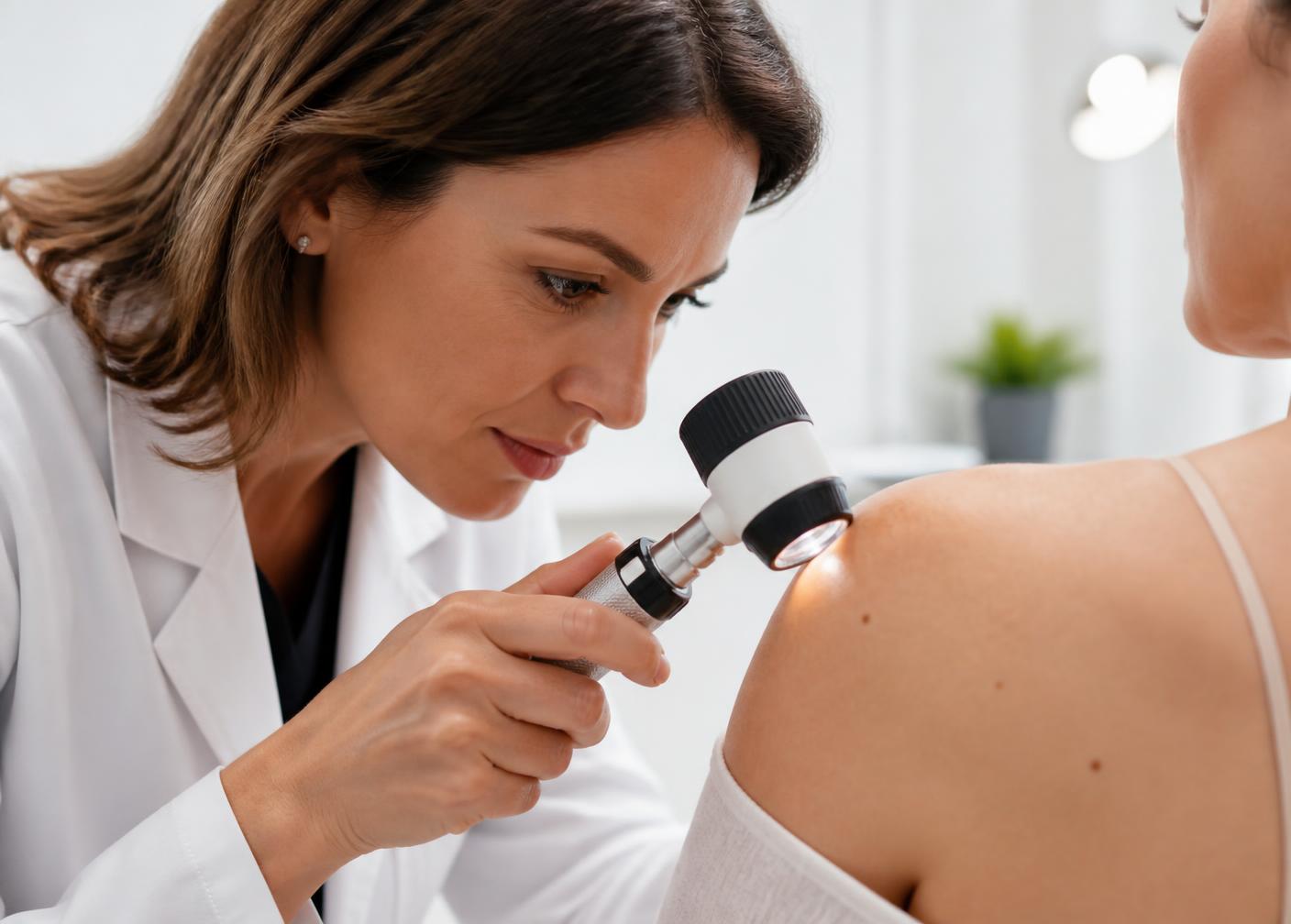
A doctor examining a patient's skin with a dermatoscope at Coral Coast Doctors

Start With Assessment

Full-Body Skin Checks

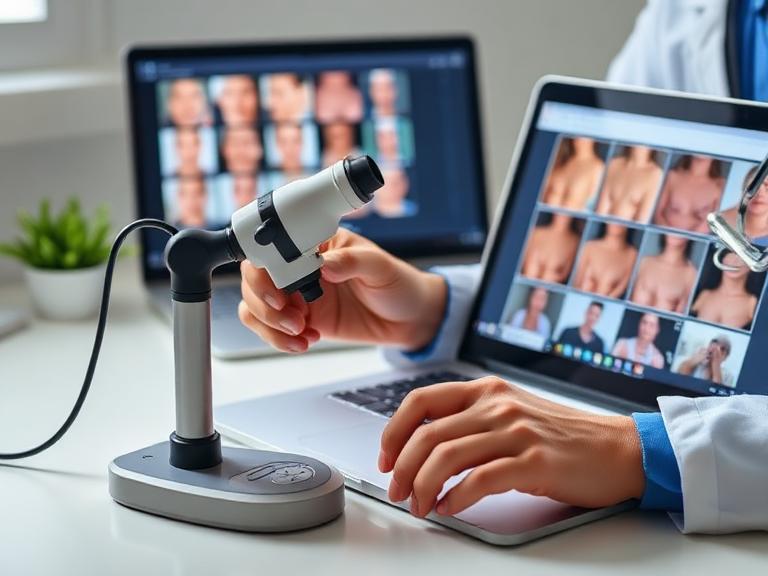
Mole Mapping

Procedures When Indicated

Understanding Your Skin

Your Skin Changes. Knowing What Matters Is the Hard Part.

Most people have marks, moles and spots on their skin. The difficult part is knowing which changes deserve attention. A new spot does not automatically mean skin cancer. A changing mole does not automatically mean something serious.

But changes that concern you are worth discussing with a doctor rather than trying to diagnose from a photo or search result. A skin check gives your doctor an opportunity to examine the area properly, consider your individual history and decide whether anything requires closer assessment.

Sometimes the answer is reassurance. Sometimes it is monitoring. And sometimes there is a reason to investigate further.

Skin Cancer Care Starts With Assessment

The first step is not surgery. It is understanding what you are looking at. Depending on what your doctor finds, the next step may involve:

  • No further action
  • Monitoring a spot over time
  • Full-body skin examination
  • Mole mapping
  • Closer examination of a lesion
  • Biopsy
  • Skin lesion removal
  • Skin cancer surgery
  • Referral for further specialist care

The appropriate pathway depends on the individual patient and the individual lesion.

Your Skin Check Journey

  1. 1. Concern / Change

    A new spot, a changing mole, or simply wanting your skin looked at.

  2. 2. Skin Assessment

    Your doctor discusses your skin, history and areas of concern.

  3. 3. Closer Examination

    Anything that warrants further attention is looked at more closely.

  4. 4. Monitor / Investigate

    Some lesions are monitored; others may need investigation.

  5. 5. Treatment If Appropriate

    Removal or surgery where this is considered appropriate.

  6. 6. Follow-Up

    Ongoing care and review depending on the individual finding.

Not every patient proceeds through every stage: the pathway depends on what your doctor finds.

Assessment Outcomes

Not Every Suspicious Spot Is Skin Cancer

Finding something that deserves a closer look does not automatically mean cancer. There are many types of skin lesions and changes. The purpose of assessment is to work out which areas can be left alone, which may need monitoring and which require further investigation.

Monitoring

Watching the lesion for changes over time.

Further examination

Looking at the lesion more closely or comparing it with previous records.

Biopsy

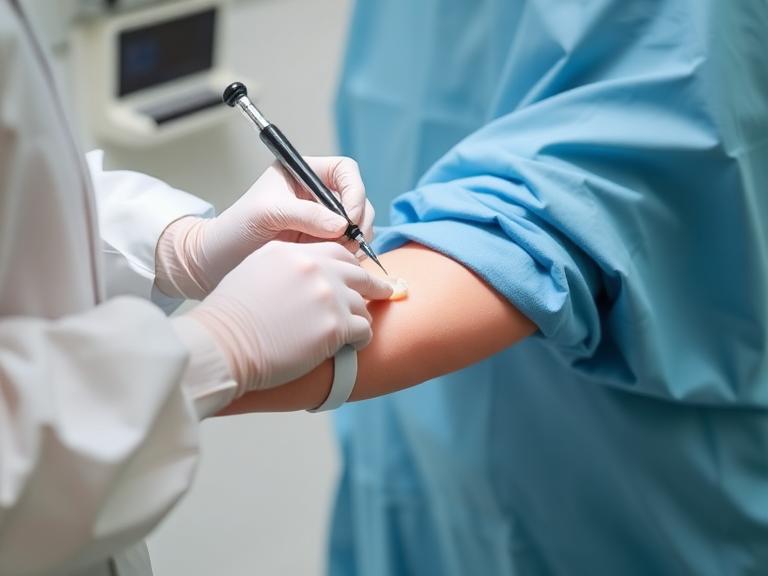
Taking a sample where clinically appropriate so it can be assessed further.

Removal or surgery

Removing a lesion when this is considered appropriate.

Referral

Arranging specialist assessment where the finding or treatment requires it.

Patients should leave the appointment understanding what has been found and what, if anything, needs to happen next.

Full-Body Skin Checks

A skin check is more than a quick glance at the one spot that brought you in. Where appropriate, your doctor may recommend a full-body skin check, particularly if there are several areas to review or your individual history suggests broader surveillance may be useful.

Explore Full-Body Skin Checks


Mole Mapping

Mole mapping can help create a visual record of areas of the skin so that changes can be considered over time where this form of surveillance is appropriate. Mole mapping does not replace medical assessment: it may become one part of the way your doctor monitors your skin.

Learn About Mole Mapping

Skin Lesion Removal

Not every mole, lump or lesion needs to be removed, and not every lesion should be treated in the same way. Your doctor first needs to assess the area and consider factors such as appearance, location and clinical circumstances before discussing removal.

Explore Skin Lesion Removal

Skin Cancer Surgery

If assessment identifies a skin cancer that requires surgical management, your doctor can discuss the appropriate treatment pathway. This may involve an excision or another procedure depending on the type, size and location of the lesion and the individual patient.

Learn About Skin Cancer Surgery

Skin Flaps & Grafts

Some skin-cancer procedures involve more than simply removing a lesion. Depending on the size and location of the area being treated, reconstruction using a skin flap or graft may sometimes form part of surgical management. Suitability is determined after medical assessment.

Learn About Skin Flaps & Grafts

What Happens During a Skin Check?

Your doctor will generally begin by asking about your skin and any particular areas that have caught your attention: a new spot, a changed mole, previous skin cancers or procedures, family history, sun exposure and areas you specifically want examined.

Read: What Happens During a Skin Check?
Dr Ramy Ibrahim, General Practitioner at Coral Coast Doctors
Experience Matters When You Are Worried About Your Skin

Dr Ramy Ibrahim

General Practitioner: Skin Cancer Medicine & Surgery

The Coral Coast Doctors website lists Dr Ramy Ibrahim as having a special interest in Skin Cancer Medicine and Surgery. He holds a Diploma in Skin Cancer Surgery from Bond University and has experience in the diagnosis and surgical management of skin cancers, including complex excisions, flaps and grafts.

  • Full-body skin checks
  • Full-body mole mapping
  • Skin cancer assessment
  • Surgical skin cancer management

When Should You Book a Skin Check?

There is no need to wait until you are certain something is wrong. Consider booking if:

  • You have noticed a new mole or spot
  • An existing lesion looks different from before
  • Something on your skin is worrying you
  • Your doctor has previously recommended monitoring
  • You have previously had skin cancer
  • You want to discuss your individual skin-cancer risk
  • You are unsure whether you are due for another skin examination

What Should You Bring to a Skin Check?

There is usually no complicated preparation. If possible, it can be helpful to:

  • Remember or note any spots that have changed
  • Mention previous skin cancers or procedures
  • Tell your doctor about relevant family history
  • Bring relevant previous reports if they are not already available
  • Let the doctor know which areas are particularly concerning you
  • Avoid makeup, fake tan and nail polish where possible if they may make skin or nails harder to assess
The Whitsundays coastline near Cannonvale and Airlie Beach in Queensland

Queensland Skin, Queensland Lifestyle

For people living in Cannonvale and the wider Whitsundays, outdoor life can be part of everyday living. Work, boating, fishing, sport, tourism and simply being outside can all mean spending significant time in the Queensland sun.

The message stays practical: know your skin, notice changes and have concerns assessed rather than ignored.

Skin Checks Near Airlie Beach

Coral Coast Doctors is physically located in Cannonvale and provides skin checks for local patients as well as people travelling from Airlie Beach and surrounding Whitsundays communities.

Get Directions to Our Cannonvale Clinic

Fees & Bulk Billing

Coral Coast Doctors currently states that eligible general practice consultations are bulk billed directly to Medicare. However, skin procedures may have different billing arrangements from a standard GP consultation. Patients should not assume that every biopsy, excision or surgical procedure is automatically bulk billed. Where a procedure is recommended, the practice will explain any known applicable fees before treatment wherever possible.

View Fees & Bulk Billing

Skin Cancer Clinic FAQs

Do I need a referral for a skin check?

You can book a GP skin check directly with the practice. If specialist assessment becomes appropriate, your doctor can discuss referral with you.

What happens during a skin cancer check?

Your doctor will discuss relevant history and examine your skin and any particular areas of concern. Further assessment may be recommended depending on what is found.

Do you offer full-body skin checks?

Yes. Coral Coast Doctors currently lists full-body skin checks among its skin cancer services.

Do you offer mole mapping?

Yes. Full-body mole mapping is currently listed among the clinic's skin cancer services.

What happens if my doctor finds a suspicious mole?

The next step depends on the individual finding. This may include monitoring, further examination, biopsy, removal or referral.

Do you perform skin cancer surgery?

The current doctor information documents experience in the surgical management of skin cancers, including complex excisions, flaps and grafts.

Does every skin lesion need to be removed?

No. Assessment comes first. Your doctor can determine whether monitoring, investigation, treatment or no further action is appropriate.

Are skin checks bulk billed?

Eligible GP consultations are bulk billed where Medicare requirements are met, but procedures and some other services may have separate billing arrangements. Patients should confirm costs with reception.

Not Sure About a Spot? Start With a Check.

You do not have to decide whether something is serious before making an appointment. If a mole has changed, a new spot has appeared or there is simply something about your skin you would like checked, speak with a doctor. The first step is not assuming the worst: it is getting a proper assessment.

Meet Our Doctors

Book Your Skin Check

Start with an assessment: your doctor can work out what, if anything, needs to happen next.

Medical content reviewed by Coral Coast Doctors

Content updated: September 2026

Book a Skin Check Call