

Mole Mapping
in Cannonvale
Sometimes the challenge is not noticing a mole. It is remembering whether it looked exactly the same six months ago.
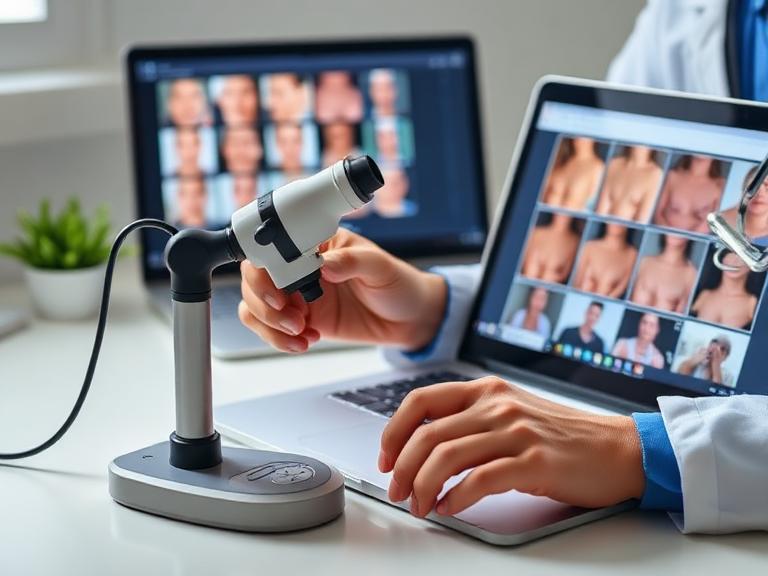
Mole mapping can help create a visual record of your skin so that selected moles and lesions can be reviewed and compared over time where this type of monitoring is clinically appropriate. It does not replace a medical skin check: it gives your doctor another way to understand change.
Visual Baseline
Compare Over Time
Within Medical Care
Cannonvale Clinic
Your Memory Is Useful. A Baseline Can Be Better.
Most people do not remember the exact shape, colour or size of every mole on their body. That is normal. A visual baseline can make future comparisons easier: so instead of asking, “Do I think this mole has changed?”, your doctor may have previous visual information to consider alongside your skin today.
Record
Selected moles or areas of skin are recorded where appropriate.
Compare
Later assessments may use those records as a reference point.
Decide
Your doctor interprets any change and recommends the next step.
A Full-Body Skin Check
A doctor medically examines your skin, including moles, spots and lesions that may require closer assessment.
Mole Mapping
Mole mapping creates a visual record that may help compare selected moles or areas of skin over time.
A photograph cannot diagnose a skin cancer by itself. Your skin check is the clinical assessment; your mole map is information that can support it.
Explore Full-Body Skin Checks“I Have Lots of Moles: How Am I Supposed to Know What Has Changed?”
When someone has one or two spots they are watching, remembering them may be relatively simple. When there are many, it becomes much harder.
A visual record can give future skin checks a reference point. The goal is not constant surveillance of every mark on your body: it is to make meaningful changes easier to assess.
Who May Find Mole Mapping Useful?
Not every patient needs mole mapping. These factors do not automatically mean you need it: they are simply useful reasons to have the conversation with your doctor.
- Have many moles
- Find it difficult to monitor areas of your own skin
- Have moles on your back or other places that are hard to see
- Have noticed changes over time
- Have previously been advised to monitor particular lesions
- Have a personal history of skin cancer
- Have a family history that may be relevant
- Have previously had significant sun exposure
- Want to discuss ongoing skin surveillance with your doctor
What Happens at a Mole Mapping Appointment?
Start With Your Skin History
Previous skin cancers, moles you are concerned about, changes you have noticed, family history, previous skin procedures, sun exposure and areas previously recommended for monitoring.
Medical Skin Assessment
Mapping sits within appropriate medical assessment rather than operating as a standalone photography service. Your doctor determines which areas deserve closer attention.
Create a Baseline
Where appropriate, visual records of your skin or selected lesions may be created so they can be reviewed later.
Review What Has Been Recorded
Your doctor can explain whether any areas need closer assessment, monitoring or another next step.
Compare at Future Reviews
Where ongoing monitoring is recommended, later assessments may use previous records as a comparison point.
Mole Mapping Can Help
- Create a baseline
- Record selected moles or areas of skin
- Support comparison at later appointments
- Help patients with many moles keep a clearer visual record
- Add information to ongoing medical skin surveillance
Mole Mapping Cannot
- Guarantee that skin cancer will be detected
- Replace a medical skin examination
- Tell you that every photographed mole is safe
- Replace biopsy or pathology where those are clinically required
- Predict whether a particular lesion will become cancerous
Good skin care depends on medical assessment, not technology alone.
What If Something Looks Different?
A change on a mole map does not automatically mean skin cancer. Likewise, a lesion that looks unusual may still turn out not to be cancerous. The map helps create information: the doctor decides what that information means clinically.
Closer Examination
The doctor may examine the lesion in more detail.
Monitoring
The area may be reviewed again after an appropriate period.
Biopsy
A sample may be recommended if further investigation is clinically appropriate.
Skin Lesion Removal
Removal may be discussed where this is the appropriate next step.
Skin Cancer Surgery
If a confirmed lesion requires surgical management, your doctor can discuss treatment options.
Specialist Referral
Some skin concerns may require assessment or treatment outside the clinic.
Do I Still Need to Check My Own Skin?
Yes. Mole mapping does not mean you should ignore changes between appointments. If you notice something new or different, do not wait until your next scheduled mapping session simply because you have previous images on file.
- A new spot
- A mole that appears different
- A change that concerns you
- A lesion that was not previously part of the recorded areas
Mapping Does Not Mean Every Mole Gets Removed
Changes need medical interpretation. Depending on what your doctor sees, a mole may need no action, closer examination, monitoring, biopsy, removal or referral. Assessment comes before treatment.
Mole Mapping in the Queensland Sun
Living in the Whitsundays often means outdoor life is part of normal life: boating, fishing, trades, tourism, sport and simply spending time outside all add to lifetime sun exposure. That does not mean every Queensland resident needs mole mapping, but knowing your skin and having changes assessed is a sensible part of preventive healthcare.
Your Images Are Medical Information
Because mole mapping may involve images of your skin, privacy matters. Any photographs or digital records created as part of medical care are handled as sensitive health information. Your doctor can explain how consent is obtained and how images are used for comparison at your appointment.
How Often Is Mapping Repeated?
There is no single interval that is right for everyone. Follow-up depends on:
- The individual patient
- What was found at the original assessment
- Previous skin cancer history
- Number and type of moles
- Other relevant risk factors
- Medical advice
How Should I Prepare?
Generally, your doctor needs a clear view of the relevant areas of skin. It helps to wear clothing that is easy to change out of, and to bring any previous skin reports or pathology results you may have.
Make a note of any areas you are concerned about so they are not forgotten during the appointment. If you are unsure about anything else to prepare, reception can confirm when you book.
Dr Ramy Ibrahim
General Practitioner: Skin Cancer Medicine & Surgery
Coral Coast Doctors’ current skin cancer information lists Dr Ramy Ibrahim as having a special interest in Skin Cancer Medicine and Surgery. His documented services include full-body skin checks and full-body mole mapping, alongside assessment and surgical management of skin cancers. His profile also records a Diploma in Skin Cancer Surgery from Bond University.

Mole Mapping Near Airlie Beach
Coral Coast Doctors provides its skin cancer services from the medical centre in Cannonvale. Patients from Airlie Beach and surrounding Whitsundays communities can attend the Cannonvale clinic for skin assessment and mole mapping where appropriate.
Get Directions to Our Cannonvale ClinicFees & Medicare
Fees may vary depending on the appointment and services required. Please contact reception before booking mole mapping so the team can explain any applicable costs.
View Fees & Bulk BillingMole Mapping FAQs
What is mole mapping?
Mole mapping creates visual records of moles or areas of skin that may help doctors compare changes over time as part of appropriate skin surveillance.
Is mole mapping the same as a full-body skin check?
No. A skin check is a medical examination. Mole mapping provides a visual record that can support future comparison. Some patients may use both services.
Does Coral Coast Doctors offer mole mapping?
Yes. Full-body mole mapping is currently listed among Coral Coast Doctors' skin cancer services.
Do I need mole mapping if I have lots of moles?
Not automatically. Your doctor can assess your skin and discuss whether mapping may be useful based on your individual circumstances.
Can mole mapping diagnose skin cancer?
Mole mapping supports monitoring but does not replace medical assessment, biopsy or pathology where these are required.
What happens if a mole changes?
Your doctor can determine whether it needs closer examination, monitoring, biopsy, removal or referral.
Does every mapped mole need to be removed?
No. Mapping does not mean treatment is required. Clinical assessment determines the appropriate next step.
How often should mole mapping be repeated?
There is no single interval that suits everyone. Follow-up depends on your individual circumstances and your doctor's advice.
Is mole mapping bulk billed?
Fees may vary depending on the appointment and services required. Please contact reception before booking mole mapping so the team can explain any applicable costs.
Book a Mole Mapping Appointment
Talk with your doctor about whether a visual baseline would help your ongoing skin monitoring.
- Full-body mole mapping listed among our skin services
- Sits alongside medical skin checks
- Ask reception about costs before booking
Medical content reviewed by Coral Coast Doctors
Content updated: September 2026