

Skin Cancer Surgery
in Cannonvale
Being told that a skin lesion may need to be removed can raise a lot of questions very quickly. What exactly needs to be done? Will the area need stitches? Does every skin cancer require the same type of procedure? Usually, no.
Skin cancer surgery sits within a broader process of assessment, diagnosis and treatment planning. The right approach depends on the individual lesion, its location and your clinical circumstances.
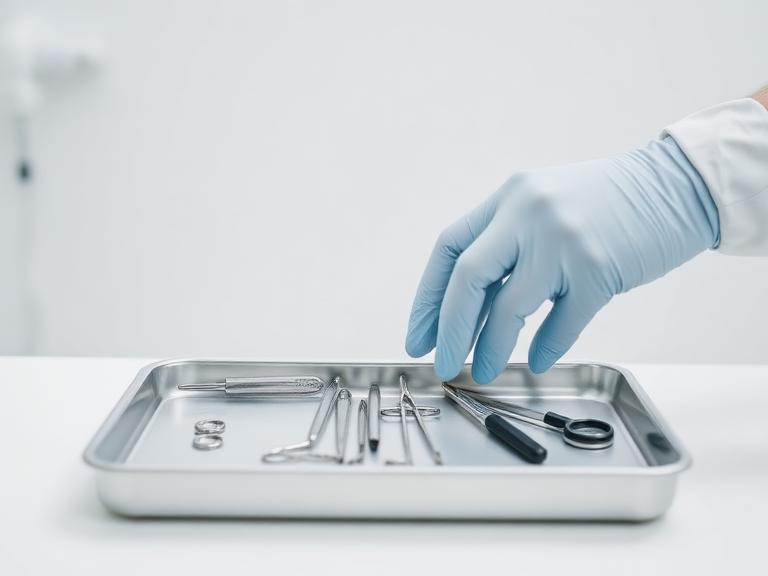
Assessment First
Pathology Where Needed
Excision & Reconstruction
Referral When Appropriate
First the Diagnosis. Then the Treatment Plan.
It is understandable to jump straight to questions about removal when something suspicious has been found, but treatment planning comes after assessment. Depending on what your doctor identifies, the pathway may include closer examination, biopsy, pathology, monitoring, surgical removal or referral.
You are not expected to decide whether you need surgery yourself.
What Is Skin Cancer Surgery?
Skin cancer surgery generally involves removing a skin cancer or suspicious lesion where surgical treatment is considered appropriate. The procedure used can vary considerably.
A smaller lesion in one part of the body may require a different approach from a larger lesion, or one located somewhere that makes closing the wound more complex.
What Is a Skin Cancer Excision?
An excision involves surgically removing a lesion together with an appropriate surrounding area as determined clinically. Patients often encounter the word after a suspicious lesion has been assessed, or once pathology has confirmed that further treatment is needed.
What the procedure involves in your case depends on the lesion, location and medical assessment.
Not Every Skin Lesion Needs Surgery
A mole or lesion being unusual does not automatically mean it needs to be removed. After assessment, your doctor may recommend one of several different approaches.
Monitoring
Monitoring rather than immediate treatment may be recommended.
Further Examination or Biopsy
Additional investigation may be needed before a decision is made.
Surgical Removal
Removal where surgical management is clinically appropriate.
Referral
Where the lesion or treatment requirements fall outside the clinic’s scope.
Skin Cancer Surgery focuses on treatment where surgical management is required. Skin Lesion Removal focuses more broadly on lesions that may be considered for removal after medical assessment.
Explore Skin Lesion RemovalFrom Skin Check to Surgery: A Clearer Patient Journey
1. Notice Something
A new spot, a changing mole or a routine full skin assessment.
2. Assessment
Your doctor examines the area and determines whether anything needs closer investigation.
3. Further Investigation
Some lesions may require monitoring, biopsy or other assessment.
4. Treatment Planning
If surgical treatment is appropriate, your doctor discusses the recommended approach.
5. Surgery
Treatment is arranged according to the individual case.
6. Follow-Up
Wound care, results and review are arranged for your particular procedure.
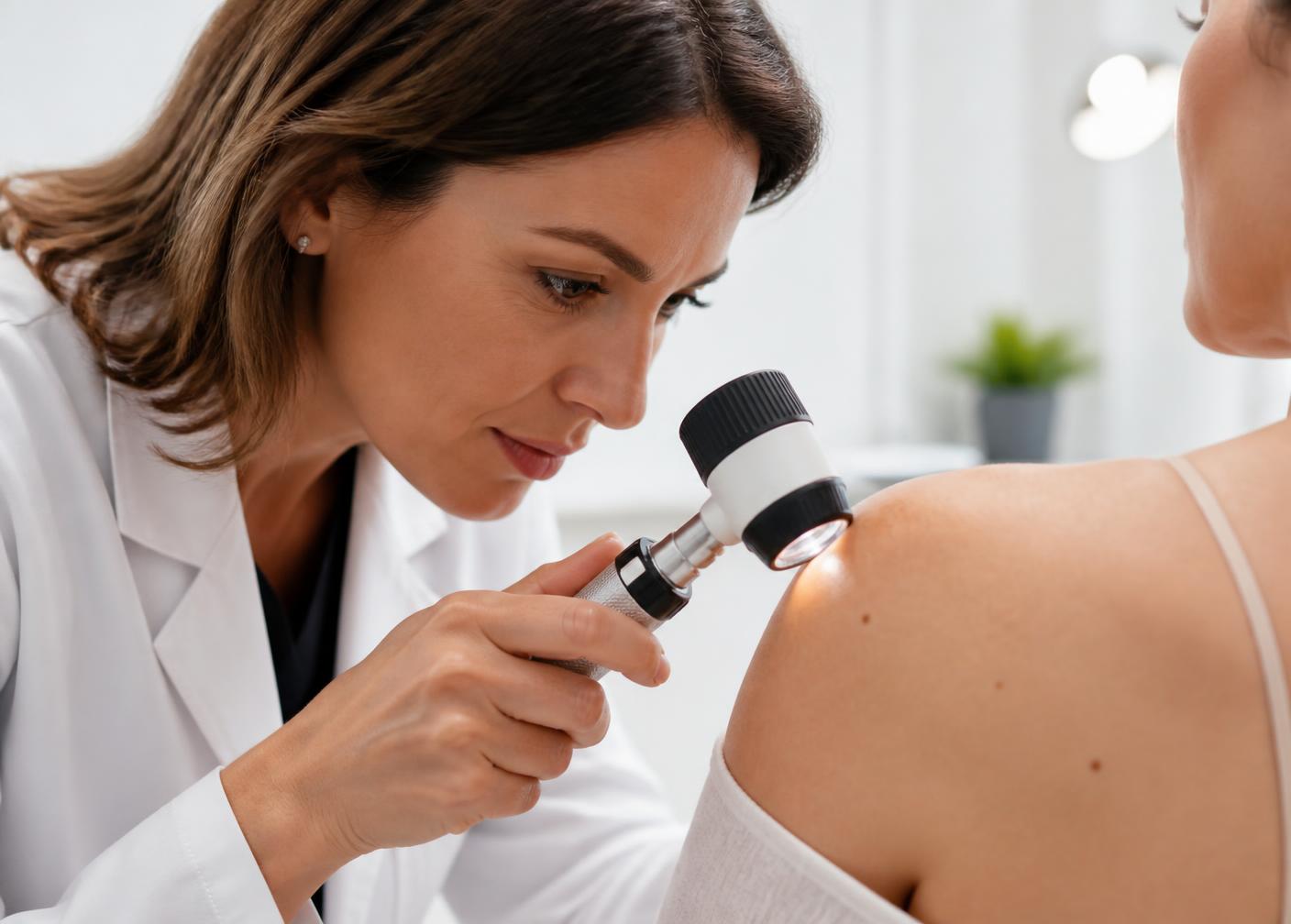
What Happens Before Surgery?
Before any procedure, your doctor needs enough information to recommend an appropriate treatment plan. That process may begin with a skin check or assessment of a particular lesion. Where further investigation is needed, a biopsy or pathology may form part of determining what the lesion is and what treatment should follow.
What Happens on the Day?
The exact procedure depends on what is being treated. Before surgery, your doctor should explain what is planned, what the procedure involves and what you can expect afterwards. You should understand the planned procedure before it begins and have an opportunity to ask questions.
What Happens to the Removed Tissue?
Where tissue needs laboratory examination, your doctor can explain what will happen to the specimen, when results are expected and how those results will be communicated to you.

What If the Wound Cannot Simply Be Closed?
Removing a skin cancer sometimes leaves a wound that can be closed directly. In other situations, reconstruction may be more complex. Depending on the size and location of the area, surgical management may sometimes involve techniques such as skin flaps or skin grafts.
The current Coral Coast Doctors information documents experience with complex excisions, flaps and grafts.
Learn About Skin Flaps & GraftsThe Right Procedure, Not the Biggest Procedure
Surgery should not be more complicated than it needs to be. At the same time, the simplest-looking option is not always the most appropriate one. Your doctor considers the lesion and surrounding area before recommending a treatment approach.
Treatment is planned around what is clinically appropriate for you.
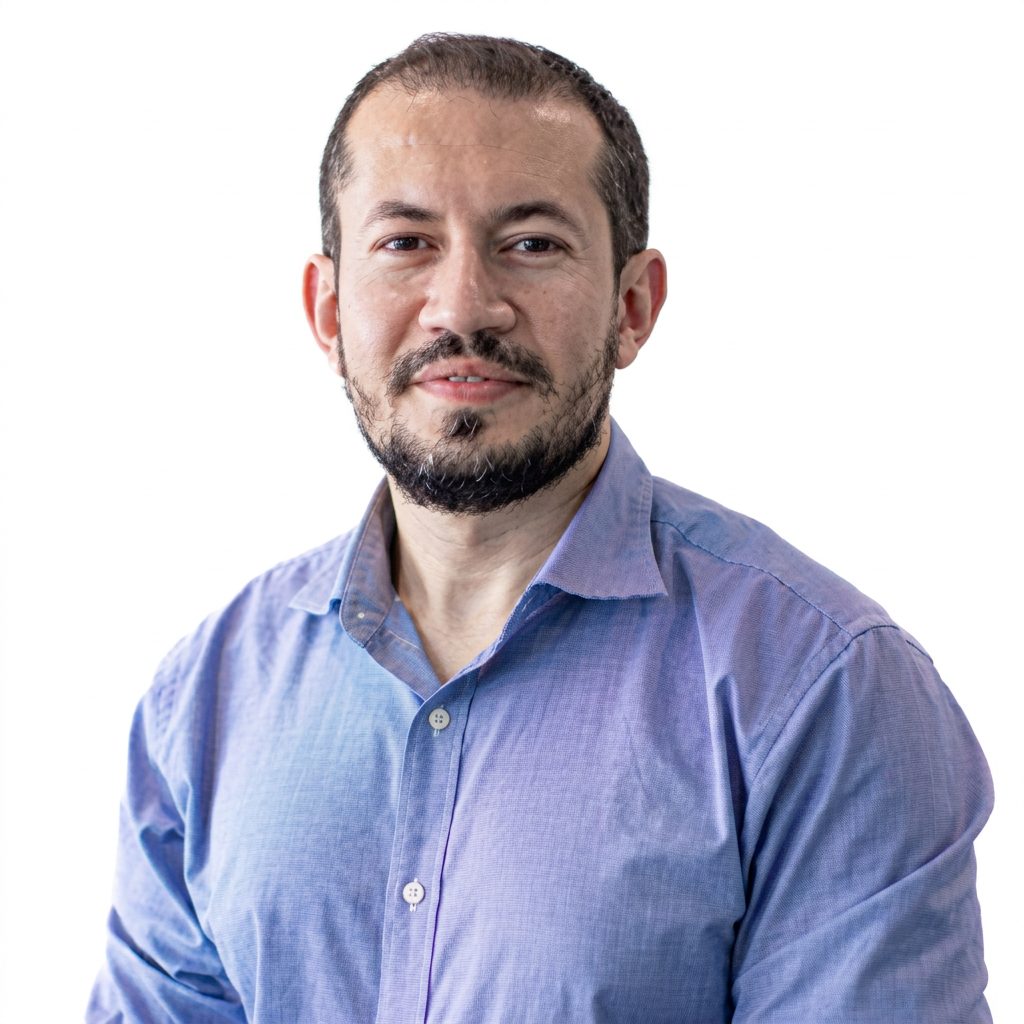
Dr Ramy Ibrahim
General Practitioner: Skin Cancer Medicine & Surgery
The current Coral Coast Doctors skin cancer content lists Dr Ramy Ibrahim as having a special interest in Skin Cancer Medicine and Surgery. He holds a Diploma in Skin Cancer Surgery from Bond University and has documented experience in the diagnosis and surgical management of skin cancers, including complex excisions, flaps and grafts.
His documented skin cancer services also include full-body skin checks and mole mapping.
What Happens After Skin Cancer Surgery?
For many patients, the questions after the procedure matter just as much as the surgery itself. Depending on your procedure, you may need information about wound care, dressing changes, activity, review appointments, pathology results or suture removal.
Your doctor will provide the instructions that apply to your particular procedure: follow those rather than general online wound-care advice.
When Might Referral Be Recommended?
Not every skin cancer or surgical situation is appropriate for management within a general practice setting. If your doctor believes the lesion or required treatment would be better managed through specialist or hospital care, they can discuss the appropriate referral pathway with you.
Surgery Is Not the Same as a Skin Check
A skin check answers: “Does anything here need further attention?” Skin cancer surgery answers: “How should a lesion that requires treatment be managed?”
Book a Skin CheckSkin Cancer Surgery in Cannonvale
Coral Coast Doctors provides its skin cancer services from the medical centre in Cannonvale. Patients from Cannonvale, Airlie Beach and surrounding Whitsundays communities can attend the clinic for skin assessment and to discuss appropriate treatment where required.
View Our Cannonvale Medical CentreFees, Medicare & Pathology Costs
Eligible Medicare consultations are bulk billed where the service meets Medicare requirements, but procedures are different from ordinary GP consultations. If a skin procedure is recommended, our team will explain any known fees that may apply before treatment wherever possible.
View Fees & Bulk BillingSkin Cancer Surgery FAQs
Does Coral Coast Doctors perform skin cancer surgery?
The current clinic information documents experience in the surgical management of skin cancers, including complex excisions, flaps and grafts. Confirm the procedures currently performed onsite with reception.
Do I book surgery if I have a suspicious mole?
Usually, assessment comes first. A suspicious lesion may need examination, monitoring, biopsy, removal or referral depending on what your doctor finds.
What is a skin cancer excision?
An excision is a surgical procedure used to remove a lesion and surrounding tissue where this is clinically appropriate. The exact procedure depends on the individual lesion.
Will I need stitches?
That depends on the location, size and treatment approach. The doctor can explain wound closure and aftercare before your procedure.
What is a skin flap?
A skin flap uses nearby tissue as part of reconstruction after removal where this technique is appropriate. Our Skin Flaps & Grafts page explains this in more detail.
What is a skin graft?
A skin graft involves using skin to help cover or reconstruct an area where direct closure may not be appropriate. Suitability depends on the individual surgical situation.
Does every skin cancer need surgery?
No universal treatment should be assumed. The treatment pathway depends on the diagnosis and individual clinical circumstances.
Will removed tissue be sent to pathology?
Pathology arrangements depend on the procedure and clinical circumstances. Your doctor can explain what will happen to a specimen in your case.
What happens after surgery?
Follow-up may include wound care, review, pathology discussion and suture removal where relevant, according to the procedure performed.
Is skin cancer surgery bulk billed?
Do not assume a skin procedure is automatically bulk billed. Fees, Medicare eligibility and pathology costs should be confirmed with reception before treatment.
If Surgery Has Been Recommended, You Should Understand Why
A procedure should not feel like something simply added to your appointment. Your doctor can explain what was found, why treatment is being recommended, what the procedure involves and what happens afterwards.
Book a Skin Assessment
Assessment comes first: treatment is planned around what is clinically appropriate for you.
- Assessment, pathology and treatment planning
- Complex excisions, flaps and grafts documented
- Referral pathway discussed where appropriate
Medical content reviewed by Coral Coast Doctors
Content updated: September 2026