

Skin Lesion Assessment & Removal
in Cannonvale
Sometimes a skin lesion has been there for years. Sometimes it has changed. Sometimes it catches on clothing, becomes irritated or simply starts to worry you. And sometimes you just want to know what it is and whether anything needs to be done.
The first question is not “How do we remove it?”
It is: “What is it, and does it actually need to be removed?”
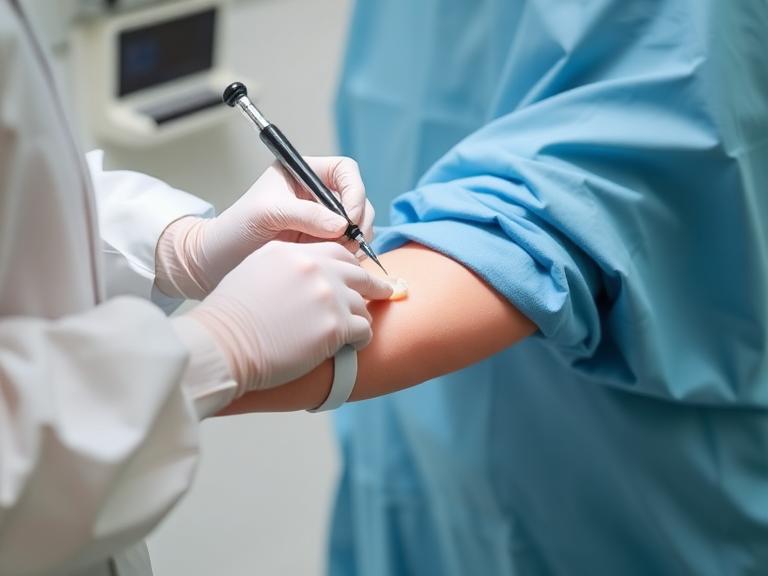
Assessment First
Moles, Cysts, Tags, Warts
Pathology Where Required
Cannonvale Clinic
Not Every Lump, Mole or Spot Needs a Procedure
It is easy to assume that booking a skin lesion appointment automatically means removal. It does not.
Some lesions can simply be left alone. Some may need monitoring. Others may need closer investigation before any decision is made. And some may be appropriate for removal depending on what your doctor finds.
The best starting point is medical assessment rather than trying to choose a procedure yourself.
What Is a Skin Lesion?
“Skin lesion” is a broad medical term. It can describe many different types of marks, lumps or growths on the skin, potentially including:
- Moles
- Warts
- Cysts
- Skin Tags
- Other Benign Growths
- Potentially Cancerous Growths
Whether a particular lesion can be treated at Coral Coast Doctors depends on medical assessment: this list is not a promise that every lesion can be removed onsite.
Assessment Comes Before Removal
Two skin lesions can look similar to a patient but require very different management. Your GP may consider factors such as:
- How the lesion looks
- Where it is located
- Whether it has changed
- Whether it is causing symptoms or irritation
- Your medical history
- Previous skin cancer history
- Whether further investigation may be needed
The goal is not to remove as much as possible. It is to make the right decision for the individual lesion.
Leave It Alone
Some lesions do not require treatment.
Monitor It
Your doctor may recommend watching for change or reviewing the area again later.
Investigate It Further
Closer examination or biopsy may be appropriate.
Remove It
Removal may be discussed where this is medically appropriate and within the clinic’s scope.
Refer It
Some lesions or procedures may be better managed through another medical service or specialist.
Benign Does Not Always Mean “Needs Removing”
A benign lesion is non-cancerous. But being benign does not automatically mean it needs to be removed. People may ask about removal because a lesion:
- Becomes irritated
- Catches on clothing
- Is repeatedly traumatised
- Causes discomfort
- Has changed and needs assessment
- Is difficult to monitor
- Creates another practical concern
There may also be situations where a person wants removal primarily for cosmetic reasons. Those are not always treated or billed in the same way.
“Can You Just Remove It While I’m Here?”
Sometimes patients arrive hoping assessment and removal will happen in one visit. Your doctor first needs to assess the lesion. Depending on what is found, the procedure may require a separate appointment, additional preparation, different equipment, pathology, a particular procedure type or referral elsewhere.
The clearest patient journey
Rather than: book → automatic removal.
Concerned About a Changing or Suspicious Lesion?
If your main concern is whether a mole could represent skin cancer, start with medical skin assessment through the Skin Cancer Clinic or a full-body skin check.
Explore Skin Cancer ChecksWant an Existing Lesion Assessed for Possible Removal?
If you have a cyst, skin tag, wart, mole or another skin growth you would like assessed, book an appointment with your GP. Your doctor can determine what the lesion is and whether treatment at Coral Coast Doctors is appropriate.
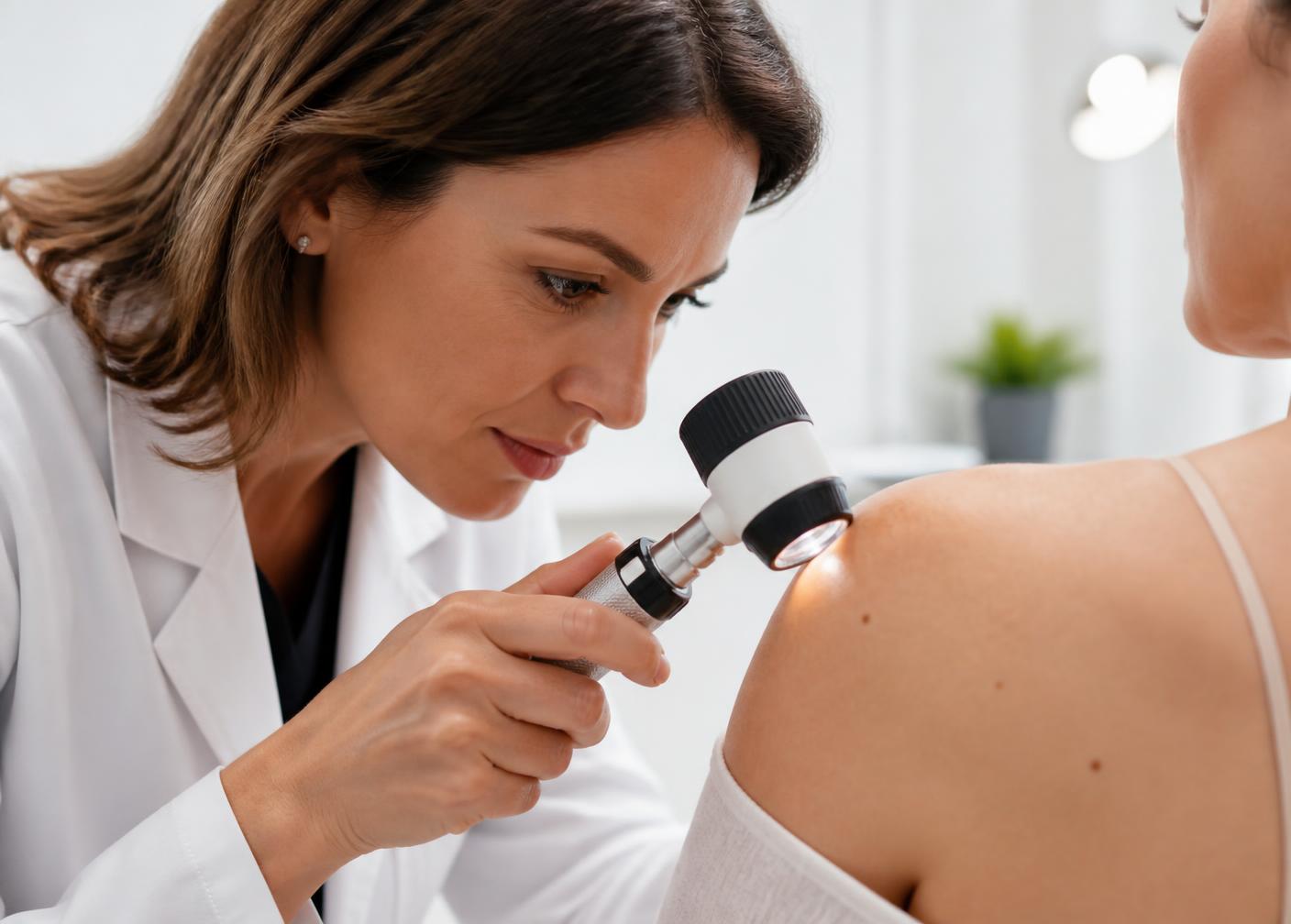
What Happens at the First Appointment?
Your doctor will generally begin by asking about the lesion. Useful information may include:
- How long you have noticed it
- Whether it has changed
- Whether it causes pain or irritation
- Whether it bleeds or becomes inflamed
- Whether it has previously been treated
- Relevant medical or skin cancer history
- Why you are considering removal
Will the Lesion Be Sent to Pathology?
This depends on the lesion and the procedure. Where pathology is clinically required, your doctor will explain what happens to the specimen and how results will be followed up.
Where This Page Sits in Your Skin Care
Skin Lesion Removal
Covers broader patient intent around having a mole, cyst, skin tag, wart or another lesion assessed for possible removal.
Skin Cancer Surgery
Focuses on treatment after a skin cancer or suspicious lesion has been medically assessed and surgical management is recommended.
Learn About Skin Cancer SurgerySkin Flaps & Grafts
If removal creates a surgical defect that requires more complex reconstruction, the approach depends on the lesion, location and individual patient.
Learn About Skin Flaps & GraftsDr Ramy Ibrahim
General Practitioner: Skin Cancer Medicine & Surgery
Dr Ramy Ibrahim’s profile lists a special interest in Skin Cancer Medicine and Surgery and a Diploma in Skin Cancer Surgery from Bond University, with documented experience in the diagnosis and surgical management of skin cancers, including complex excisions, flaps and grafts.
Dr Ragab Abdelmeguid’s profile includes skin procedures, biopsies and minor surgery such as excision of cysts or superficial swellings. Which doctor performs a particular procedure depends on assessment - reception can advise when you book.
Medical Removal vs Cosmetic Removal
A procedure recommended because of medical concerns may be treated differently from removal requested primarily for appearance. The distinction can affect whether the clinic provides the service, whether Medicare applies, whether a private fee is charged, whether pathology is required and whether the procedure should happen elsewhere.
Please contact reception if your enquiry is primarily about cosmetic removal so the team can advise whether Coral Coast Doctors provides the service you need.
What Happens After Removal?
This depends on the procedure. You may be given instructions about:
- Wound care
- Dressings
- Activity
- Follow-up
- Pathology results where applicable
- Suture removal where applicable
- What to do if you have concerns after the procedure
Follow the aftercare instructions given for your particular procedure.
Can Every Lesion Be Removed at the Clinic?
No blanket promise should be made. Some lesions may need another type of care because of the diagnosis, the procedure required, the location, complexity or other individual clinical factors.
If your GP believes the lesion is better managed elsewhere, they can discuss referral with you.

Skin Lesion Removal in Cannonvale
Coral Coast Doctors provides skin cancer and skin procedure services from its medical centre in Cannonvale. Patients from Cannonvale, Airlie Beach and surrounding Whitsundays communities can book an appointment to have a skin lesion assessed.
View Our Cannonvale Medical CentreFees, Medicare & Procedure Costs
Most eligible Medicare GP consultations are bulk billed, but some procedures and services may attract an out-of-pocket fee. Skin lesion procedures are exactly the type of service where it is worth checking beforehand.
If removal is recommended, our team can explain any known fees, Medicare eligibility and possible pathology costs before treatment wherever possible.
View Fees & Bulk BillingSkin Lesion Removal FAQs
What is skin lesion removal?
Skin lesion removal refers to a medical procedure used to remove a skin growth or lesion where removal is considered appropriate.
What types of skin lesions can Coral Coast Doctors assess?
Skin lesions include moles, warts, cysts and skin tags among others. Whether a particular lesion can be treated onsite depends on medical assessment and the clinic's current procedure scope.
Do all skin lesions need to be removed?
No. Some lesions need no treatment, some may be monitored, and others may require investigation, removal or referral.
Can I book just to have a mole removed?
You can book an assessment. The doctor first needs to determine what the lesion is and whether removal is appropriate.
Do you remove benign skin lesions?
Benign skin lesion removal forms part of the broader skin service. The lesions treated in a particular case, and any cosmetic exclusions, depend on assessment and the clinic's current scope: check with reception.
Can you remove cysts?
Cysts are among the examples of skin lesions we list, and one of our GP profiles documents experience with excision of cysts and superficial swellings. Availability for a particular cyst still requires medical assessment.
Is a biopsy the same as removing a lesion?
Not necessarily. A biopsy may involve taking tissue for further assessment, while complete removal is a different treatment decision. Your doctor will explain what is appropriate.
Will my lesion be sent to pathology?
That depends on the lesion and procedure. Where pathology is clinically required, your doctor will explain what happens to the specimen and how results will be followed up.
Is skin lesion removal bulk billed?
Do not assume a procedure is automatically bulk billed. Medicare eligibility, procedure fees and pathology costs should be confirmed with reception.
What if the lesion could be skin cancer?
Medical assessment comes first. Your doctor may recommend further investigation, removal, skin cancer surgery or referral depending on the finding.
You Don’t Need to Decide Whether It Needs Removing
That is the useful part of having it assessed. Maybe the lesion needs treatment. Maybe it only needs monitoring. Maybe it needs a completely different next step.
If a mole, cyst, skin tag, wart or another skin growth is bothering you: physically or simply because you are unsure what it is: start with a medical assessment.
Book a Skin Lesion Assessment
Have the lesion looked at first: your doctor can explain what it is and what should happen next.
- Assessment before any procedure
- Moles, cysts, skin tags, warts and other growths
- Ask reception about costs and cosmetic enquiries
Medical content reviewed by Coral Coast Doctors
Content updated: September 2026