

Skin Flaps & Grafts
After Skin Cancer Surgery
Removing a skin cancer is one part of the procedure. The next question is sometimes: how will the wound be closed?
For many skin cancer procedures, the area can be closed directly with stitches. But when a larger area of skin has been removed, or the location makes straightforward closure difficult, a different type of reconstruction may sometimes be considered: a skin flap or a skin graft.
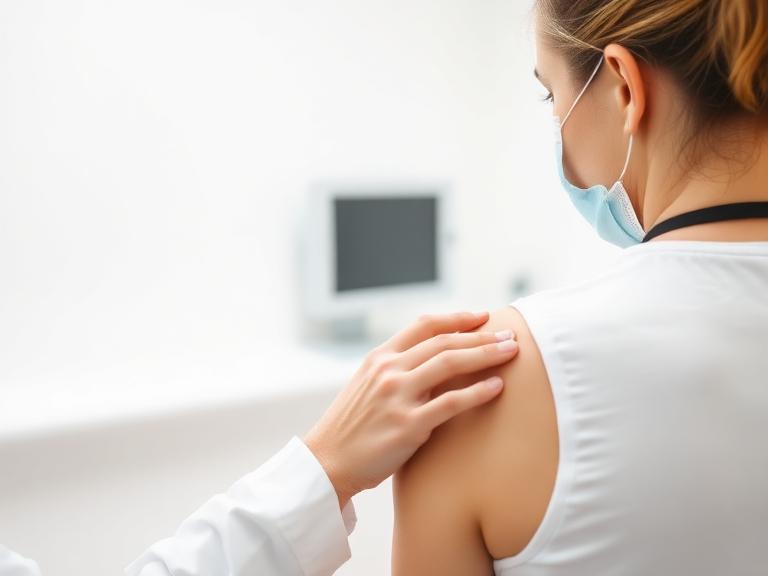
Flap: Nearby Tissue
Graft: Donor Skin
Surgical Decision
Referral If Needed
Why Would a Wound Need Reconstruction?
Skin cancer surgery is planned around removing the area that requires treatment. Once that has been done, the resulting wound needs to be managed appropriately. For many smaller wounds, stitches may be enough. For larger or more complex wounds, your doctor may need to consider another way to cover or close the area.
Cancer Council Australia explains that larger wounds after skin cancer removal may sometimes be reconstructed using either a skin flap or a skin graft.
A flap or graft is not automatically part of skin cancer surgery.
It becomes relevant only when the individual surgical situation calls for it.
The Goal Is More Than Simply Covering the Area
Reconstruction after skin cancer surgery needs to take the particular wound into account. Your doctor may consider how best to close the area while also thinking about healing and the surrounding tissue.
Sometimes that is stitches. Sometimes reconstruction may be more complex. And sometimes another specialist or surgical service may be more appropriate.
Skin Flap vs Skin Graft: What Is the Difference?
Patients often hear these terms together, but they are not the same procedure.
What Is a Skin Flap?
A skin flap uses nearby skin and underlying tissue to cover the surgical wound. The tissue is moved from next to the wound while maintaining its connection to its existing blood supply.
In simple terms, instead of bringing skin from another area of the body, the doctor carefully rearranges nearby tissue to close the area. Cancer Council describes a skin flap as nearby loose skin and underlying fatty tissue being moved across the wound and stitched into position.
What Is a Skin Graft?
Instead of using skin immediately beside the wound, a layer of skin is taken from another part of the body: known as the donor site: and used to cover the area being treated.
The Treatment Site
Where the skin cancer or lesion was removed.
The Donor Site
Where the skin used for the graft was taken from.
Cancer Council Australia explains that the donor area may itself be stitched or dressed and allowed to heal, depending on the type of graft and procedure.
Cancer Council’s current skin cancer guidance confirms that the choice between direct closure, a flap, a graft or more complex reconstruction depends on the wound and surgical circumstances.
You Don’t Book a Skin Graft First
Someone who has just noticed a suspicious mole should not begin by deciding whether they need a graft or flap. If you have noticed a suspicious or changing spot, the right starting point is usually assessment.
Skin Assessment
A mole or lesion is examined.
Further Investigation
Biopsy or pathology may be required.
Treatment Planning
Your doctor discusses whether surgical removal is appropriate.
Wound Closure Planning
The doctor considers how the resulting wound should be managed.
Reconstruction Where Required
A flap, graft or another closure method may be considered if direct closure is not suitable.
When Might a Flap or Graft Be Considered?
The decision depends on the individual surgical situation. Cancer Council notes that reconstruction may be needed after removal of a larger skin cancer, with factors such as the location of the cancer and the amount of tissue removed helping determine the appropriate approach. Your doctor needs to assess the individual wound: there are no blanket rules based on size or body area.
What Happens During the Procedure?
The exact surgical technique varies considerably depending on the individual case. Cancer Council notes that skin flaps and grafts may be performed in hospital or, in some circumstances, in doctors’ rooms, with anaesthetic arrangements depending on the procedure. Your doctor can explain what is planned for your particular procedure, and reception can confirm what is currently performed onsite.
What Happens After a Skin Flap or Graft?
Aftercare depends on the procedure. You may need information about:
- Dressings and wound care
- Keeping the area protected
- Review appointments
- Suture removal where relevant
- Donor-site care after a graft
- Activity restrictions
- Pathology results where applicable
- When to contact the clinic about a concern
Cancer Council notes that both the reconstructed area and, for grafts, the donor site may require dressings and monitoring during healing. Follow the instructions provided for your particular procedure rather than generic online wound-care advice.
What Is the Donor Site?
A graft needs skin from somewhere else. That area is called the donor site: a second area that needs to heal after surgery. Cancer Council explains that the donor site may be stitched or dressed to heal depending on the graft.
If a skin graft is being considered, your doctor should explain where the graft may come from, what happens to the donor site, how both areas will be cared for and what follow-up may be required.
Will I Have a Scar?
Skin surgery generally leaves some degree of scarring. The appearance of a scar can depend on many factors, including the procedure, wound location and individual healing. Cancer Council notes that scars after skin cancer surgery often become less noticeable with time, but results vary.
Your doctor can explain the expected surgical area and healing considerations before your procedure.
Can a Skin Flap or Graft Fail to Heal?
Like other surgical procedures, flap and graft reconstruction can have complications. Cancer Council advises that occasionally a flap or graft may not heal as intended and further wound care or another procedure may be necessary.
This does not mean you should expect a complication. You should receive procedure-specific information about risks, follow-up and when to seek medical review before surgery.
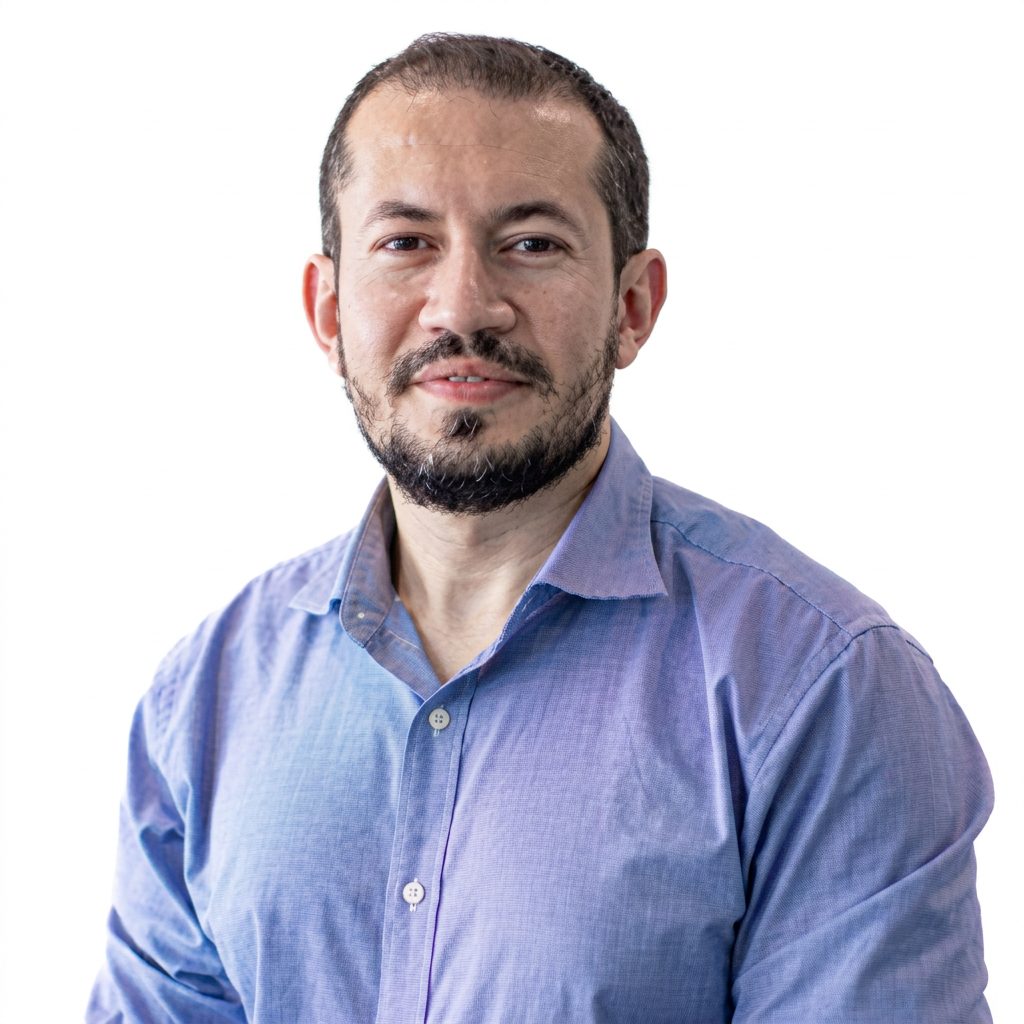
Dr Ramy Ibrahim
General Practitioner: Skin Cancer Medicine & Surgery
Dr Ramy Ibrahim’s current Coral Coast Doctors profile states that he has a special interest in Skin Cancer Medicine and Surgery and holds a Diploma in Skin Cancer Surgery from Bond University.
His profile specifically documents experience in the diagnosis and surgical management of skin cancers, including complex excisions, flaps and grafts.
When Might Specialist Referral Be Better?
Not every surgical wound should be reconstructed in a general practice setting. Cancer Council notes that more complex cases may require surgical or specialist management. If your doctor believes your skin cancer or reconstruction would be more appropriately managed by another specialist or hospital service, they can discuss the referral pathway with you.

Skin Flaps & Grafts in Cannonvale
Coral Coast Doctors provides skin cancer assessment and management from its medical centre in Cannonvale. Patients from Airlie Beach and surrounding Whitsundays communities can attend for assessment and to discuss the appropriate treatment pathway.
View Our Cannonvale Medical CentreFees, Medicare & Procedure Costs
Eligible standard GP consultations may be bulk billed under the clinic’s current policy, but surgical procedures can have different billing arrangements. If a flap, graft or another surgical procedure is recommended, our team will explain the known fees and Medicare arrangements that may apply before treatment wherever possible.
View Fees & Bulk BillingSkin Flaps & Grafts FAQs
What is a skin flap?
A skin flap uses nearby skin and underlying tissue to reconstruct a wound while maintaining its existing blood supply.
What is a skin graft?
A skin graft uses skin taken from another area of the body to cover a surgical wound.
Is a skin flap the same as a skin graft?
No. A flap generally uses nearby tissue that remains connected to its blood supply, while a graft transfers skin from a donor area.
Why might I need a skin graft after skin cancer surgery?
A graft may be considered when a wound cannot be appropriately closed directly after removal. The decision depends on factors such as the wound, location and amount of tissue removed.
Does every skin cancer require a flap or graft?
No. Many surgical wounds can be closed directly. Flaps and grafts are only considered where the individual situation requires another form of reconstruction.
Does Coral Coast Doctors perform flaps and grafts?
Dr Ramy Ibrahim's profile documents experience in complex excisions, flaps and grafts. The exact range of these procedures currently performed onsite can be confirmed with reception.
Will I have two wounds with a skin graft?
A skin graft uses skin from a donor site as well as the area being reconstructed, so both areas require healing and appropriate aftercare.
Will I have a scar?
Skin surgery generally results in scarring. The appearance and healing vary by procedure, location and individual patient.
Is a skin graft bulk billed?
Billing depends on the service, Medicare eligibility and treatment setting. Please confirm specific procedure fees with reception before treatment.
Reconstruction Comes After the Right Treatment Decision
You do not need to know whether you need stitches, a flap or a skin graft before seeing your doctor. That decision comes later.
The first step is understanding the lesion, deciding whether treatment is needed and planning an appropriate approach. If reconstruction becomes part of that plan, your doctor can explain why it is being recommended and what the procedure means for you.
Book a Skin Assessment
Start with assessment: wound closure and reconstruction are planned around what your treatment requires.
- Complex excisions, flaps and grafts documented
- Donor-site and aftercare explained before surgery
- Referral pathway discussed where appropriate
Medical content reviewed by Coral Coast Doctors
Content updated: September 2026