

Full-Body Skin Checks
in Cannonvale
Most people do not look at every part of their skin regularly. And even when you do notice a spot, it can be difficult to know whether it is simply part of your normal skin or something worth having checked.
A full-body skin check gives your doctor the opportunity to look beyond one particular mole or lesion and assess your skin more broadly. You do not need to know what you are looking for before you book.

Medical Skin Assessment
Beyond One Mole
Dermatoscope Where Appropriate
Cannonvale Medical Centre
More Than Checking One Mole
Sometimes one particular spot is what brings you in. That matters. But a full-body skin check looks at the wider picture. Skin changes can occur in places you may not regularly see yourself, including areas such as your back, scalp or feet.
That does not mean every mark needs investigation. Most people have plenty of ordinary moles, freckles and skin changes. The purpose of the appointment is to work out which ones, if any, deserve closer attention.
What Areas Are Checked?
A full-body skin assessment is designed to consider areas beyond the places you see easily yourself. The exact examination depends on your circumstances and consent.
Scalp & Face
Neck
Chest
Back
Arms
Hands & Fingers
Legs
Feet & Soles
Your doctor should explain what is being assessed, and you can raise any questions or concerns during the examination. Your comfort and privacy matter.
Queensland Sun Makes Skin Awareness Practical
Life in the Whitsundays often happens outdoors. Work, boating, fishing, walking, sport and everyday Queensland living can all add up to significant sun exposure over time.
That does not mean patients should become anxious about every freckle. A better approach is practical: know your skin, notice changes and have something checked when you are unsure.
Read our skin cancer resourcesYour Skin Check Journey
1. Book
You do not need to know what you are looking for before you book.
2. Skin History
Spots you have noticed, previous skin cancers, family history and sun exposure.
3. Examination
The examination may move systematically across areas of the body.
4. Closer Look
A dermatoscope may be used where a lesion warrants closer viewing.
5. Discussion
Your doctor explains what they noticed and what should happen next.
6. Next Step
No action, monitoring, mapping, biopsy, removal or referral.
When Should You Consider a Skin Check?
The right approach depends on your own medical and skin history. You do not need to decide whether you are “high risk” before booking: that is a useful conversation to have with your doctor.
- You have noticed a new mole or spot
- A mole has changed in size, shape, colour or appearance
- A lesion simply looks different from the others around it
- A spot has been worrying you
- You have previously had a skin cancer
- Skin cancer runs in your family
- You have many moles
- You have had significant sun exposure over time
- Your doctor has recommended ongoing skin surveillance
- You are unsure whether you are due for another skin check
How to Prepare
There is usually very little you need to do. A few simple things can make assessment easier.
- Wear clothing that is easy to change out of
- Avoid makeup and fake tan where possible
- Remove nail polish where possible if nails may need assessment
- Note any spots you have noticed changing
- Mention relevant family history
- Bring previous skin information if it may be helpful
Do not worry if you cannot remember everything. Even saying, “There’s a spot on my back that seems different, but I’m not sure when it changed” is enough to start the conversation.
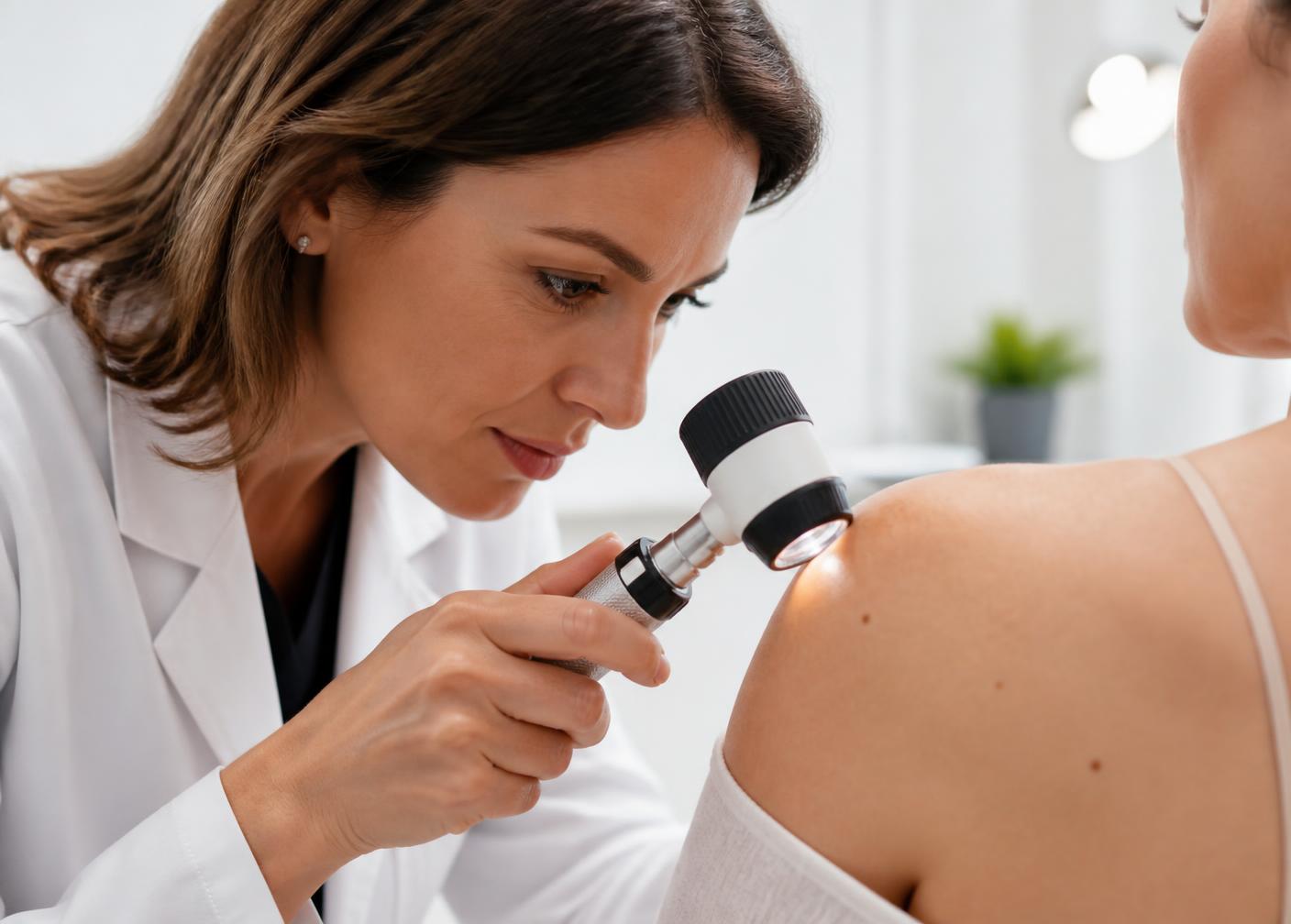
A Skin Check Is Not Simply Someone “Having a Look”
Your doctor is considering the appearance of individual lesions in the context of your overall skin, medical history and personal circumstances.
Where appropriate, a doctor may use a dermatoscope: a handheld illuminated magnifying device that allows a lesion to be viewed more closely. Not every mole needs dermoscopic assessment, and not every unusual-looking lesion needs treatment. The examination helps determine what deserves further attention.
“But the Spot Isn’t Somewhere That Gets Much Sun”
Although sun exposure is highly relevant to skin health, a concerning skin change should be assessed based on what it looks like and your individual circumstances rather than simply where it appears. If you have noticed something unusual in an area that is normally covered, mention it to your doctor.
What If the Doctor Finds Something?
Finding something that deserves another look does not automatically mean skin cancer. Ordinary moles and skin marks may sometimes be monitored because they are unusual or changing without necessarily being cancerous.
No Further Action
Nothing concerning is identified and no particular follow-up is required beyond future skin care and monitoring as advised.
Monitoring
A spot may be reviewed again later to see whether it changes.
Mole Mapping or Photography
Where appropriate, visual records may help compare changes over time.
Biopsy
A small sample may be recommended where further assessment is clinically appropriate.
Skin Lesion Removal
Your doctor may discuss removal if the lesion requires treatment or further diagnosis.
Referral
Some findings may be better managed by another medical professional or specialist.
The important part is that you understand why the next step is being recommended.
Full-Body Skin Check
A doctor examines your skin and assesses moles, spots and lesions for features that may require further attention.
Mole Mapping
Mole mapping can create a visual record of selected areas or lesions so they can be compared over time where this type of monitoring is appropriate.
Some patients may benefit from one. Some may benefit from both. Your doctor can discuss what is appropriate for you.
Explore Mole MappingHow Often Should You Have a Skin Check?
There is no single timetable that is right for everyone. Frequency depends on individual risk and health history. Instead of choosing an interval from something you have read online, ask your GP what makes sense for you.
- Previous skin cancer
- Family history
- Number of moles
- Skin type
- History of sun exposure
- Previous sunburn
- Changes identified during earlier examinations
- Other individual clinical factors
Your Privacy During a Skin Check
The phrase “full-body skin check” can make some patients nervous about what the examination involves. The examination should be explained to you, and the extent of the assessment depends on your consent and clinical needs.
If there are areas you are uncomfortable having examined, or you have questions about what will happen, say so. A good medical assessment should not require you to feel that you have lost control of the appointment.
Skin Check or Skin Cancer Surgery?
These are very different stages of care. A skin check is an assessment. Surgery is a potential treatment that may only become relevant after a lesion has been examined and, where required, appropriately investigated.
Explore Skin Cancer SurgeryWhat About Skin Lesion Removal?
Some people book a skin check because there is one particular mole, lump or lesion they would like removed. Assessment still comes first. If removal is clinically appropriate, your doctor can discuss the procedure, relevant follow-up and any applicable costs.
Explore Skin Lesion Removal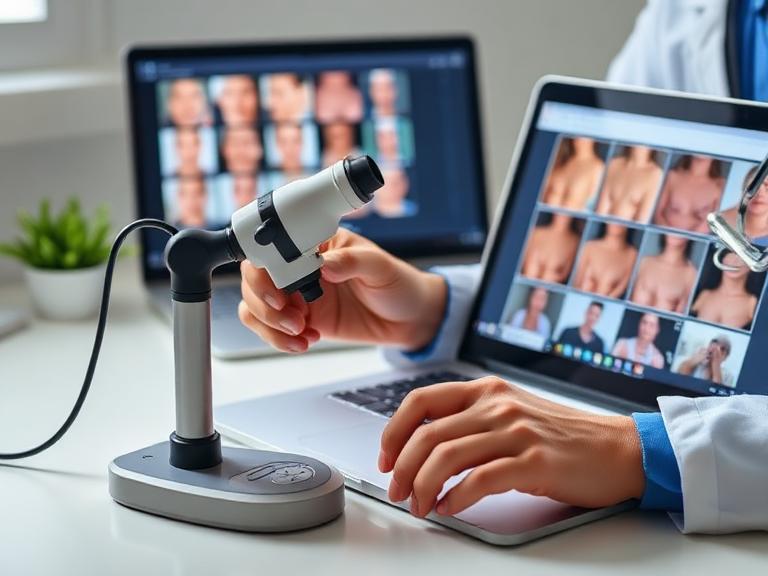
Mole Mapping for Ongoing Comparison
Where visual records may help compare changes over time, your doctor can discuss whether mole mapping is appropriate alongside your skin checks.
Learn About Mole MappingSkin Checks Are Part of Our Documented Skin Services
Full-body skin checks form part of Coral Coast Doctors’ documented skin cancer services. Detailed medical credentials for our skin cancer care sit on the Skin Cancer Clinic page and the practitioner profile.

Skin Checks Near Airlie Beach
If you have been searching for a skin check near Airlie Beach, Coral Coast Doctors provides skin-check services from its medical centre in nearby Cannonvale. The clinic does not operate a separate Airlie Beach branch. Patients from Airlie Beach and surrounding Whitsundays communities can book at the Cannonvale medical centre.
Get Directions to Coral Coast DoctorsFees & Bulk Billing for Skin Checks
Coral Coast Doctors’ current website content states that eligible general practice consultations are bulk billed where Medicare requirements are met. However, skin procedures may have different billing arrangements from the consultation itself.
If your appointment progresses to a procedure, ask about any applicable costs beforehand.
View Fees & Bulk BillingFull-Body Skin Check FAQs
What is a full-body skin check?
It is a medical examination of your skin designed to assess moles, spots and lesions and identify areas that may require closer assessment.
Do I need to have a suspicious mole before booking?
No. Some patients book because of a particular concern, while others want a broader skin assessment based on their individual circumstances.
How long does a skin check take?
Appointment length can vary depending on the individual patient, the number of areas needing assessment and whether anything requires a closer look.
What should I wear?
Wear something easy to change out of. Avoid fake tan, makeup and nail polish where possible if they may make examination more difficult.
Will every mole be removed?
No. Most skin checks do not mean every lesion requires treatment. Your doctor may recommend no action, monitoring, further investigation, removal or referral depending on the individual finding.
What happens if something looks suspicious?
Your doctor can explain whether the area needs monitoring, closer assessment, biopsy, removal or referral.
Is a full-body skin check the same as mole mapping?
No. A skin check is a medical examination, while mole mapping can provide visual records for comparison where appropriate.
Do I need a dermatologist for a skin check?
A GP can provide skin assessment and determine whether specialist referral is required.
Do I need a referral to book?
Patients can generally book a GP skin check directly rather than needing a specialist referral first.
Are skin checks bulk billed?
Eligible GP consultations may be bulk billed where Medicare requirements are met, but procedures and other services may have different billing arrangements. Confirm the details with reception before your appointment.
The Spot You Keep Checking Is Probably Worth Actually Checking
You do not need to know whether a mole is serious. You do not need to memorise a checklist. And you do not need to wait until you are certain something is wrong.
If something has changed, something is worrying you or it has simply been a while since your skin was assessed, start with a proper skin check at our Cannonvale medical centre.
Book a Full-Body Skin Check
Start with assessment: your doctor can explain what, if anything, needs to happen next.
- No referral needed to book a GP skin check
- Cannonvale medical centre
- Ask reception about any procedure costs
Medical content reviewed by Coral Coast Doctors
Content updated: September 2026