

Medical Weight Management in Cannonvale
Weight is easy to measure. Understanding why it is changing is more complicated.
Sleep, medications, health conditions, food, physical activity, stress, mental wellbeing and everyday routines can all form part of the picture.
At Coral Coast Doctors, our GPs provide GP-supported weight loss and medical weight management from our Cannonvale medical centre. The aim is not to give every patient the same diet, set an unrealistic target or promise a particular result — it is to understand your health first, then discuss an approach that makes sense for you.

Health First, Not the Scales
Nutrition Without Fad Diets
Movement That Fits Your Life
Sleep Included
Mental Wellbeing Respected
Ongoing, Not an 8-Week Program
Start With Your Health, Not the Scales
People often arrive at a weight-loss appointment expecting the first conversation to be about kilos. We think there is a better place to start.
Common opening
“How many kilos do you want to lose?”
Our starting point
“What is happening with your health?”
Australia’s National Obesity Strategy recognises that body weight is influenced by complex social, environmental, biological and behavioural factors rather than simply personal willpower. It also emphasises supportive healthcare and reducing weight stigma.
What Can Affect Weight?
There is rarely one explanation that applies to everyone. Your GP may consider areas such as:
- Medical history
- Medications
- Sleep
- Mental wellbeing
- Eating patterns
- Physical activity
- Other long-term health conditions
Some medicines and medical conditions can also contribute to overweight or obesity. Understanding those factors can be more useful than immediately prescribing another restrictive eating plan.
GP-Led Care, Step by Step
1. A Conversation, Not a Program
Your appointment starts with understanding your health rather than a pre-set plan.
2. Individual Assessment
Examination, measurements, blood pressure or investigations only where appropriate for you.
3. Context, Not Just a Number
BMI and waist measurement considered alongside history, risk factors and conditions.
4. Health-Linked Goals
Goals such as better blood pressure, lower diabetes risk, easier movement or preventing further gain.
5. Ongoing Review
The conversation continues as your health, medications and circumstances change.
What Happens at a Medical Weight Management Appointment?
Your appointment should begin with a conversation rather than a pre-set program. Your GP may ask about:
- Your health and weight history
- Previous approaches you have tried
- Current medications
- Existing health conditions
- Nutrition and eating patterns
- Physical activity
- Sleep
- Mental wellbeing
- Your personal goals
- What has made managing your weight difficult previously
Depending on your circumstances, your doctor may also consider whether examination, measurements, blood pressure or relevant investigations are appropriate. There is no reason every patient needs exactly the same tests.
BMI Can Be Useful — But It Is Not Your Entire Health Story
Body mass index uses height and weight to provide a general indication of weight category. It can be useful as one health measure, particularly when considered alongside other risk factors — but it is not a complete description of your health.
BMI is a guide, and waist circumference can also provide additional information about health risk. Your GP can consider measurements alongside your medical history, blood pressure, chronic conditions, family history, lifestyle and other relevant health information.
A number should provide context. It should not become the whole consultation.
Looking for the Fastest Way to Lose Weight?
Fad diets and approaches promising quick, easy weight loss can be difficult to sustain and may create health problems. There is no single fast approach that is appropriate or safe for everyone.
If you want to lose weight, a GP can help you consider what is realistic based on your health rather than following a generic program designed for someone else.
You Don’t Have to Reach a “Perfect” Weight to Improve Your Health
Weight management does not need to be all-or-nothing. Even relatively modest weight reduction may provide health benefits for some people living with overweight or obesity. Useful goals may include:
Improving blood pressure
Reducing diabetes risk
Moving more comfortably
Improving fitness
Supporting sleep
Preventing further weight gain
The goal should connect back to health.
Nutrition Without Another List of Forbidden Foods
Low carbohydrate. Low fat. Fasting. Meal plans. Shakes. Detoxes. Rather than telling every patient to follow the same diet, your GP can discuss your current eating patterns and whether more specialised nutritional support may be helpful. An accredited practising dietitian may help people who need personalised nutritional advice.
Movement That Fits Your Actual Life
Your physical activity may be influenced by work, injuries, joint pain, fitness, chronic disease, time, caring responsibilities and what you actually enjoy. Australia’s adult movement guidance takes an integrated approach to activity, sedentary time and sleep rather than viewing exercise in isolation.
Sleep Belongs in the Weight Conversation
Health does not divide itself neatly into separate boxes. If you are sleeping poorly, exhausted during the day or concerned about your sleep, tell your GP. It may be relevant to your broader health assessment and may deserve attention independently of your weight.
Mental Health & Weight
Previous dieting experiences, stress, low mood, anxiety, body image and the pressure of repeated attempts can all affect how someone approaches the subject. The National Obesity Strategy identifies weight stigma and discrimination as issues that should be addressed as part of better obesity care.
Explore Mental Health ServicesWhat About Weight-Loss Medication?
Medication can be part of medical weight management for some people. It is not appropriate for everyone. Current Australian GP guidance recognises pharmacotherapy as one possible part of comprehensive obesity management, alongside lifestyle and other interventions, when the potential benefits and risks have been properly considered.
A GP needs to consider your individual circumstances, including medical history, existing conditions, other medicines, treatment goals and possible side effects.
What If Medication Is Not Right for Me?
That does not mean there are no options. Medical weight management can include different combinations of:
- Nutrition support
- Movement and activity strategies
- Behavioural strategies
- Management of other health conditions
- Psychological support
- Allied-health care
- Referral for more specialised treatment where appropriate
For more complex cases, specialist obesity or bariatric services may sometimes be appropriate. A GP can help work out when management within general practice is reasonable and when another service should be involved.
Weight Management Is Usually Ongoing Care
One of the biggest problems with many weight-loss programs is the obvious finishing line. Eight weeks. Twelve weeks. Twenty kilograms. Then what?
Weight regulation and the health issues connected with it can be long-term. Australian general-practice guidance recognises obesity as a complex chronic condition for many patients and supports ongoing, patient-centred management rather than relying only on short-term intervention.
That is another reason GP care can be valuable — the conversation can continue as your health changes.
Diabetes Management
Weight can form part of Type 2 diabetes care, but should not replace proper diabetes management.
ExploreHypertension Management
Hypertension should never be reduced to “lose weight and it will go away”.
ExploreChronic Disease Management
For some people, weight sits within a much broader long-term health picture.
ExploreA Medical Conversation, Not a Slimming Program

Dr Mohamed Elhaddad
His supplied profile lists particular interests in preventive health and chronic disease management, and describes a holistic, evidence-informed approach with a strong focus on health promotion, lifestyle and supporting patients to improve overall wellbeing.
View Profile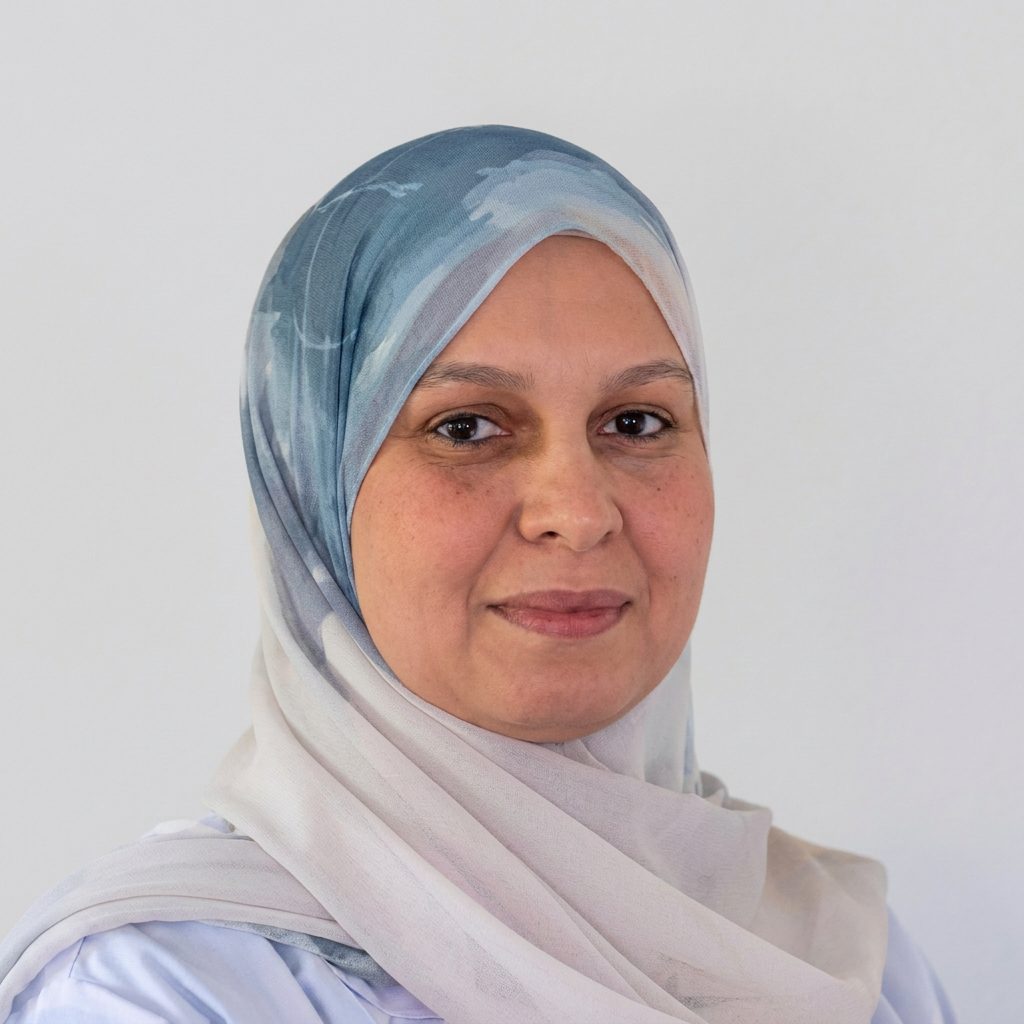
Dr Heba Awad
Her profile documents experience in preventive healthcare and management of chronic conditions including diabetes and hypertension, both of which can intersect with weight-management discussions.
View Profile
Dr Ragab Abdelmeguid
His profile emphasises preventive medicine, chronic disease management and health promotion across more than 20 years of general practice.
View ProfileWhat Should I Bring to My Appointment?
You do not need to prepare a perfect food diary or explain every diet you have ever tried. It may simply help to know your current medicines, significant medical history, previous approaches to weight management, and what you would actually like help with.
If you have several health concerns to discuss at the same time, tell reception when booking so an appropriate appointment length can be arranged.

Weight Management in Cannonvale
Patients from Cannonvale, Airlie Beach and surrounding Whitsundays communities can book with a GP to discuss weight and overall health.
Shop 34, Whitsunday Shopping Centre, 226 Shute Harbour Road, Cannonvale QLD 4802
View Our Cannonvale Medical CentreFees & Medicare
Eligible GP consultations may be bulk billed where Medicare requirements and the clinic’s current billing policy apply. That does not mean every external service, medication, dietitian appointment or specialist referral connected with weight management is free.
Medicines, external providers and other services may have separate costs. Please ask reception or the relevant provider if you are unsure.
View Fees & Bulk BillingMedical Weight Management FAQs
Can I talk to my GP about weight loss?
Yes. Weight management is part of Coral Coast Doctors' service offering. Your GP can consider your weight in the context of your broader health.
Is medical weight management just a diet plan?
No. GP-led weight management may consider medical history, medications, chronic conditions, nutrition, physical activity, sleep and mental wellbeing.
Do I have to be living with obesity to ask for help?
No. If you are concerned about weight change or want medical guidance about weight and your health, you can discuss this with your GP.
Will my GP use BMI?
BMI may provide useful general information, but it is only one measure. Your doctor can consider it alongside other health factors.
Can medication be used for weight management?
For some patients, medication may be considered as part of a broader medical management approach. Suitability depends on individual health circumstances and requires appropriate assessment and monitoring.
Does Coral Coast Doctors provide weight-loss injections?
The clinic confirms Weight Management as a service, but a dedicated injection program or specific medication pathway is not currently confirmed. Please contact reception to discuss your individual situation.
Do I need blood tests before starting weight management?
Not every patient requires exactly the same investigations. Your GP can determine whether testing is appropriate based on your health and medical history.
Can weight management help if I have diabetes?
Weight may form part of Type 2 diabetes management for some patients, but diabetes requires its own appropriate ongoing care. See the dedicated Diabetes Management page.
Can my GP refer me to a dietitian?
Where clinically appropriate, a GP can discuss whether allied-health or specialist support may be useful for your individual circumstances.
Is medical weight management bulk billed?
Billing depends on the consultation, Medicare eligibility and the clinic's current policy. Medications and external services may also have separate costs. Check the Fees page or contact reception before booking if you would like to confirm the cost.
You Don't Need Another Promise to Lose Weight Fast
You need a plan that understands your health, your medications, your sleep, your lifestyle, your chronic conditions, what you have already tried, and what is realistic enough to continue.
- Health-first assessment
- No fad diets
- Medication where appropriate
- Ongoing GP support
Medical content reviewed by Coral Coast Doctors
Content updated: September 2026