

Diabetes Management in Cannonvale
More than one number on a meter.
Diabetes rarely fits neatly into one appointment. There may be blood tests to keep track of, medications to review, questions about food or exercise, blood pressure to monitor and appointments with other healthcare professionals along the way.
At Coral Coast Doctors, our GPs provide ongoing care for patients living with diabetes from our medical centre in Cannonvale. The goal is to look at your diabetes as part of your overall health.

Blood Glucose Review
Annual Cycle of Care
Medication Reviews
Cardiovascular & Kidney Health
Coordinated Care Team
Emotional Wellbeing
Diabetes Care Is About More Than Blood Sugar
Diabetes can affect or interact with different parts of your health, which is why regular care may include conversations and checks relating to:
- Blood glucose management
- Medications
- Blood pressure
- Kidney health
- Heart and cardiovascular health
- Foot health
- Eye health
- Nutrition
- Physical activity
- Weight
- Smoking
- Emotional wellbeing
- Other long-term health conditions
My Diabetes Is Stable — Do I Still Need Reviews?
Often, yes. Stable does not mean forgotten. Diabetes can change over time, and medications, lifestyle needs and management plans may need to change as your circumstances change.
- Is the current plan still working?
- Has anything changed?
- Are there health checks due?
- Does medication still make sense?
- Is another healthcare professional needed?
Sometimes the best outcome of a review is simply confirming that things remain on track.
A Series of Important Checks Across the Year
A useful way to think about diabetes management is not as one big annual appointment, but as a set of health areas reviewed as part of ongoing care. The timing and exact checks should be personalised rather than copied from a generic checklist.
Blood Glucose Control
Reviewing blood glucose and HbA1c where appropriate.
Blood Pressure
Closely connected with cardiovascular and kidney health.
Kidney Health
Diabetes can affect kidney function over time, so appropriate monitoring matters.
Foot Health
Looking for changes affecting circulation, nerves, skin or wounds.
Eye Health
Regular eye assessment can help identify diabetes-related changes.
Medications
Reviewing whether your current treatment remains appropriate.
Lifestyle
Discussing nutrition, activity, smoking and other factors realistically.
Emotional Health
Living with diabetes can also affect mental wellbeing.
What Happens at a Diabetes GP Appointment?
The exact appointment depends on where you are in your diabetes journey. Your GP may discuss:
- How you have been feeling
- Current medications
- Blood glucose results where relevant
- Previous blood tests
- Blood pressure
- Other medical conditions
- Lifestyle and physical activity
- Nutrition
- Weight where clinically relevant
- Any new symptoms
- Other members of your diabetes healthcare team
- Health checks that may be due
HbA1c: Looking Beyond Today’s Reading
One blood glucose reading tells you what is happening at one moment. An HbA1c blood test gives a broader picture of blood glucose management over approximately the previous few months.
Your GP can discuss when testing is appropriate, what target is suitable for you and whether your current management needs adjustment. Diabetes goals can be individual, so there is no single universal target.
Recognised diabetes care commonly includes regular checks of blood glucose control, kidney function, blood pressure, eyes and feet — but not every patient will need every test at every visit.
Medication Reviews
Diabetes medicines should not simply remain unchanged forever without review. Your needs may change because of:
- Blood glucose results
- Other medical conditions
- Kidney health
- Cardiovascular health
- Side effects
- Lifestyle changes
- Weight changes
- Other medications
- Changes in your diabetes itself
Type 1 and Type 2 Diabetes
Type 1 and Type 2 diabetes are different conditions and their treatment pathways are not identical. Several different medicines can be used in Type 2 diabetes and some people may eventually require insulin, with treatment aimed not only at blood glucose management but also at reducing long-term complications.
If you are living with diabetes and would like ongoing GP support, contact Coral Coast Doctors so the team can help arrange an appropriate appointment and advise whether the service suits your needs.
Foot Health: The Part People Often Forget
Diabetes can affect both nerves and blood vessels, which means some foot problems may become more serious if they are not recognised early. Your GP can discuss whether you are due for a diabetes foot assessment and whether podiatry or another form of follow-up is appropriate.
Eye Checks & Diabetes
Diabetes-related changes can affect the eyes, sometimes before a person notices obvious symptoms. That is why regular eye care forms part of recognised diabetes monitoring. Your GP can discuss whether you are due for an eye examination and whether referral to an optometrist or ophthalmologist is appropriate.
Kidney Health
Kidney-function testing is among the regular checks that may be relevant for people living with diabetes. Your GP may consider relevant blood or urine tests depending on your individual situation. The exact tests, timing and targets should come from your medical care — not a generic website checklist.
Food: Useful Advice, Not a “Diabetes Diet”
Good diabetes care should not reduce nutrition to a list of foods you are allowed and not allowed to eat. Healthy eating can be an important part of Type 2 diabetes management, and a doctor or dietitian can provide advice suited to individual nutritional and blood glucose needs.
Exercise & Everyday Movement
Physical activity can play an important role in managing Type 2 diabetes and broader cardiovascular health. But “exercise more” is not always useful advice on its own — your health, mobility, work, injuries, medications and other conditions influence what is realistic and safe.
Diabetes & Mental Wellbeing
Remembering medications, thinking about food, monitoring results, attending appointments, worrying about future complications. It is understandable that some people experience diabetes-related stress or burnout. If diabetes is affecting your mood, tell your GP — it is part of your health too.
Explore Mental Health ServicesHypertension Management
Diabetes and blood pressure often need to be considered together.
ExploreMedical Weight Management
Weight discussed medically and respectfully, as one part of your health.
ExploreChronic Disease Management
A GP Chronic Condition Management Plan may help coordinate ongoing care.
ExploreYour Diabetes Healthcare Team
Depending on your needs, a diabetes healthcare team may include: (that does not mean you need to see everyone)
- GPs
- Endocrinologists
- Diabetes educators
- Dietitians
- Podiatrists
- Optometrists
- Ophthalmologists
- Exercise physiologists
- Pharmacists
- Other specialists
Preparing for a Diabetes Review
You do not need to turn up with an entire filing cabinet. Depending on your situation, it may be useful to bring or know:
- Your current medications
- Recent blood glucose information if you monitor at home
- Any relevant specialist letters
- Recent test information not already held by the clinic
- Questions you have been meaning to ask
- Information about any recent changes to your health
When might an endocrinologist be involved? Not every patient with diabetes needs specialist endocrinology care at every stage. Your GP can manage many aspects of ongoing diabetes care and determine whether specialist assessment may be useful — and if referral is recommended, explain why and help connect that care with the rest of your health management.
Ongoing Care From a Doctor Who Knows You
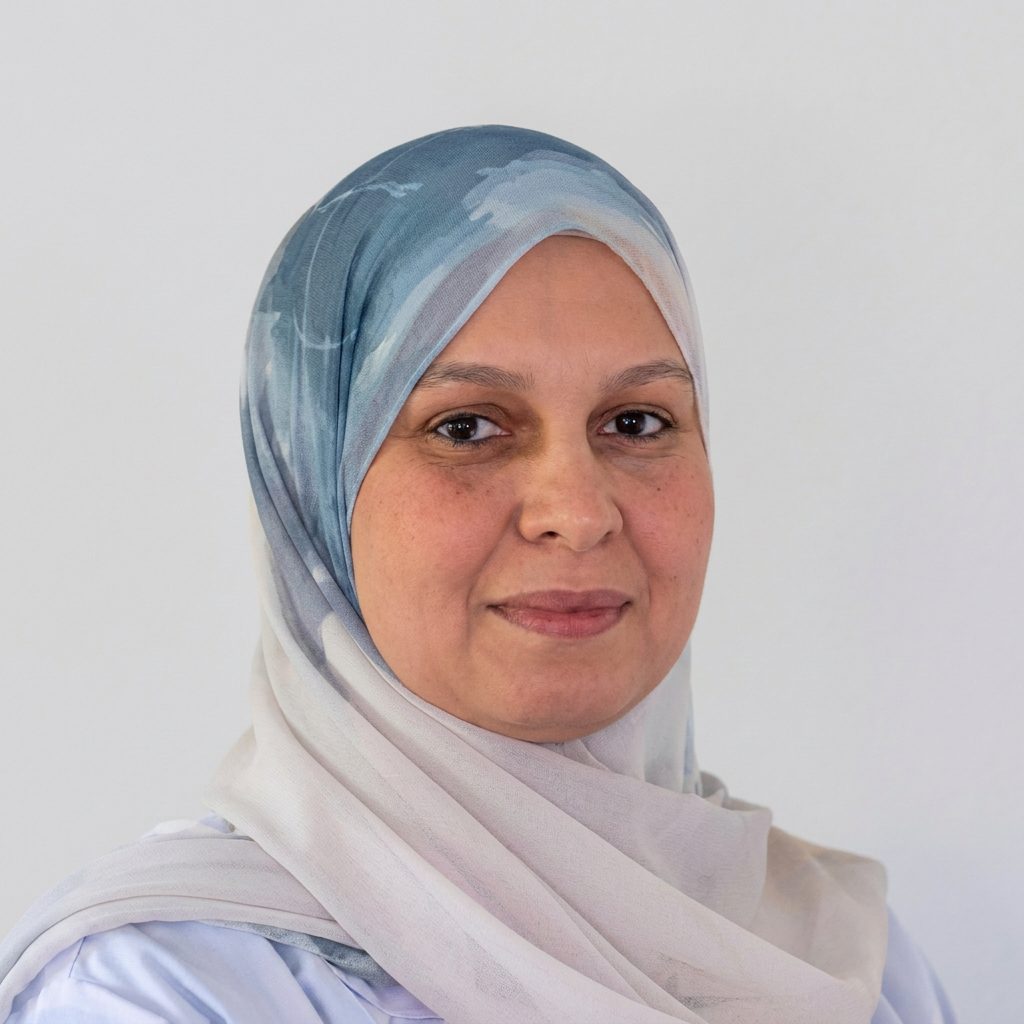
Dr Heba Awad
Her professional profile specifically lists diabetes and hypertension among the chronic diseases she has managed in primary-care settings, alongside cardiovascular and respiratory conditions.
View Profile
Dr Ragab Abdelmeguid
More than 20 years of international general-practice experience, with his profile documenting diabetes among the chronic conditions he has managed.
View Profile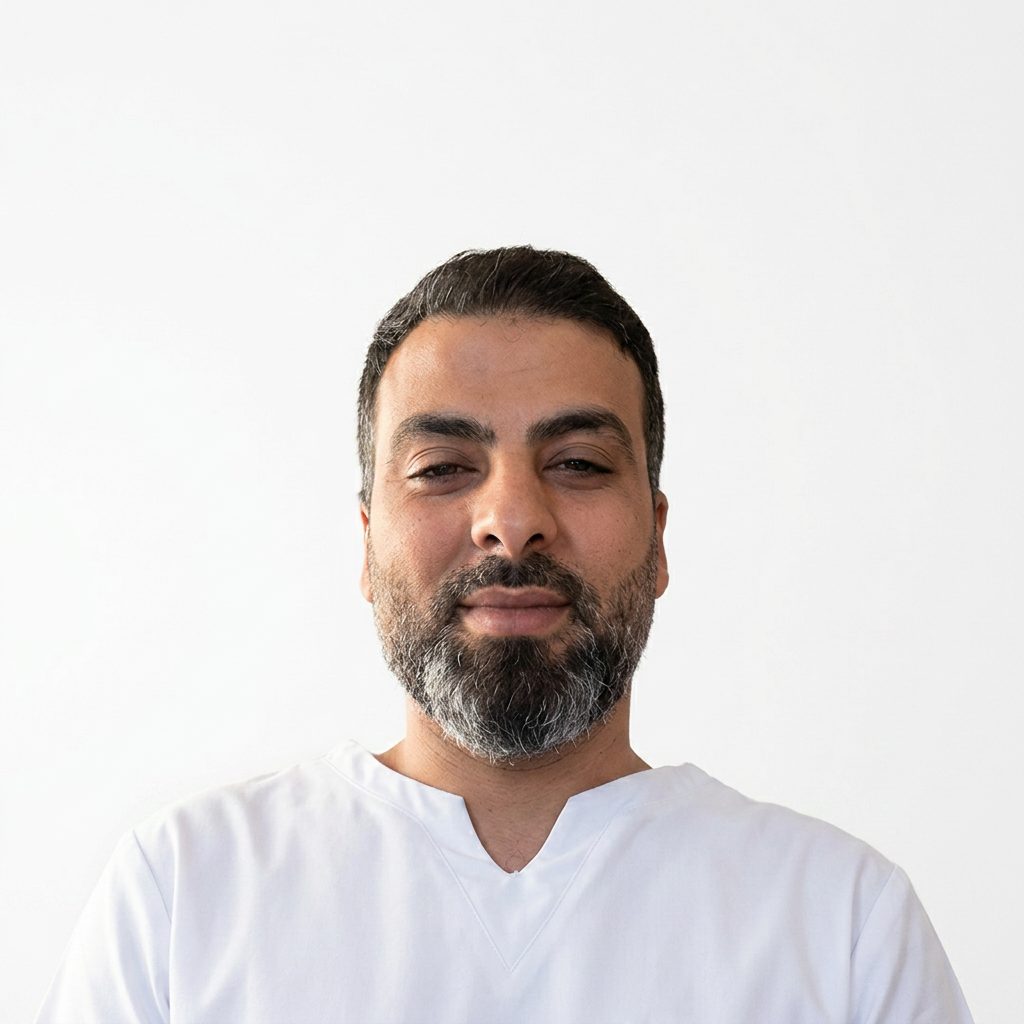
Dr Mohamed Elhaddad
His supplied profile documents chronic disease management, preventive health and lifestyle-focused care among his clinical interests.
View Profile
Diabetes Management in Cannonvale
Patients from Cannonvale, Airlie Beach and surrounding Whitsundays communities can book with a GP to discuss diabetes management and appropriate ongoing care.
Shop 34, Whitsunday Shopping Centre, 226 Shute Harbour Road, Cannonvale QLD 4802
View Our Cannonvale Medical CentreFees & Medicare
Fees and Medicare arrangements depend on the consultation and services required. Please check the current Fees page or contact reception before booking if you would like to confirm the cost.
External providers such as dietitians, podiatrists or specialists set their own fees, so ask them about costs before attending.
View Fees & Bulk BillingDiabetes Management FAQs
Can my GP help manage diabetes?
Yes. General practitioners play an important role in ongoing diabetes care, including monitoring, medication review, preventive health and coordinating other healthcare where needed.
Does Coral Coast Doctors have doctors with diabetes experience?
Yes. The supplied profiles for Dr Heba Awad and Dr Ragab Abdelmeguid specifically document experience managing diabetes.
Do you manage Type 1 diabetes?
If you are living with diabetes and would like ongoing GP support, contact Coral Coast Doctors so the team can help arrange an appropriate appointment and advise whether the service suits your needs.
What is an annual cycle of care?
Australian diabetes guidance describes regular review of areas such as blood glucose, blood pressure, kidney health, feet, eyes, medications and lifestyle across the year to help identify potential complications earlier.
How often should HbA1c be checked?
HbA1c gives a broader picture of blood glucose management over approximately the previous few months. How often it needs to be checked depends on the individual patient and treatment situation.
My diabetes is stable: do I still need reviews?
Often, yes. Diabetes can change over time, and medications, lifestyle needs and management plans may need to change as your circumstances change.
Can a chronic condition plan help with my diabetes care?
For some patients, a GP Chronic Condition Management Plan may provide a more structured way to organise ongoing care and appropriate allied-health referrals.
Will I be referred to an endocrinologist?
Not every patient with diabetes needs specialist endocrinology care at every stage. Your GP can determine whether specialist assessment may be useful depending on your individual situation.
Is diabetes care bulk billed?
Fees and Medicare arrangements depend on the consultation and services required. Please check the current Fees page or contact reception before booking if you would like to confirm the cost.
Diabetes Care That Looks at the Whole Picture
Book with a GP to review your diabetes, medications, monitoring and the health checks that may be due.
- Annual cycle of care
- Medication review
- Coordinated allied health
- Local Cannonvale clinic
Medical content reviewed by Coral Coast Doctors
Content updated: September 2026